After more than twenty years of traveling Japan, I have grown tired of places that prioritize social exposure above all else. My inflection point was at the packed Tsukiji market which now remains a shell of its former self as a working wholesale center. Everyone around me held up phones for an IG-able moment and the shops looked staged with scantly a local in sight. It forces me to ask what I really want to experience. Rather than taking the bait of virality, I now crave for places that have a non-dramatic, lived-in atmosphere. For example, going deep into a mountain village that is plagued by depopulation, or paying a visit to a traditional sake brewery that only sells locally. These ordinary places are plenty along commuter train route that never made it onto the influencer feeds.
I first came across Masako Shirasu through a Waraku magazine special on her life and influence on postwar Japanese aesthetics. Her experiences as Noh performer, antique connoisseur, critic, and essayist was exactly the sort of multifaceted guide I needed. Her writing was witty and sharp, and she spared no patience for those reducing everyday objects to performers or relics in museums. For her, beauty manifested in their actual usage.
The Shirasu Lens
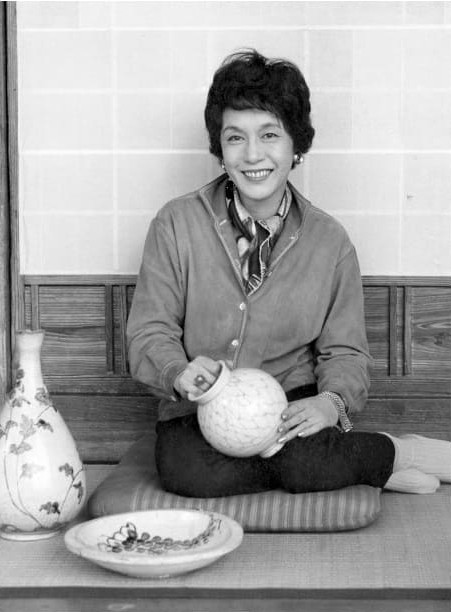
Even though Masako Shirasu was born into a noble family and received elite education in both Japan and the US, she was a late bloomer in the sense that she only started travelling and writing in her late 30s.
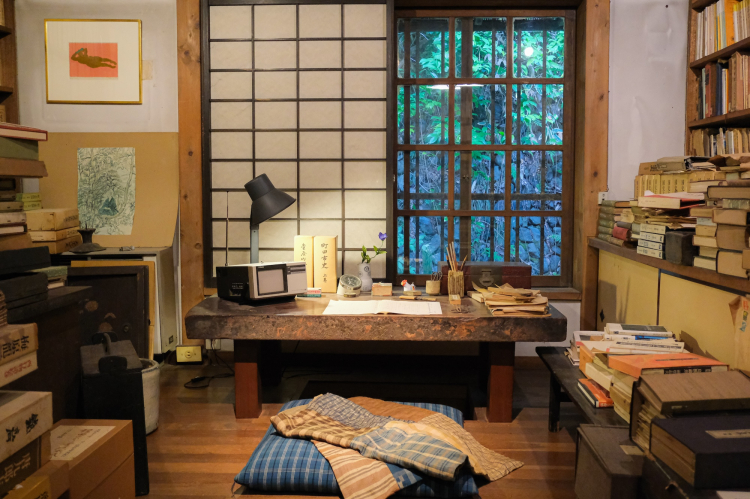
Her wartime decision to leave Tokyo for a thatched farmhouse in suburb Machida gave her a steady space to grow her network. At Buaisō, she and her husband Jirō collected ceramics, textiles, lacquer, and Buddhist sculpture and actively used them. “If you use beautiful things every day,” she wrote, “you will naturally cultivate an eye for beautiful things without giving it a second thought.” They also held cultural saloons where she met her mentors Hideo Kobayashi and Jirō Aoyama. When the war ended, she started trekking to remote villages to see and handle the real things before sitting down with a pen. She opened the small Ginza shop Kōgei so weavers and dyers could reach a public audience, and she kept traveling alone into her seventies and eighties to places that had not yet been geared up for visitors.
The Former Shirasu Residence “Buaisō” – A Short Film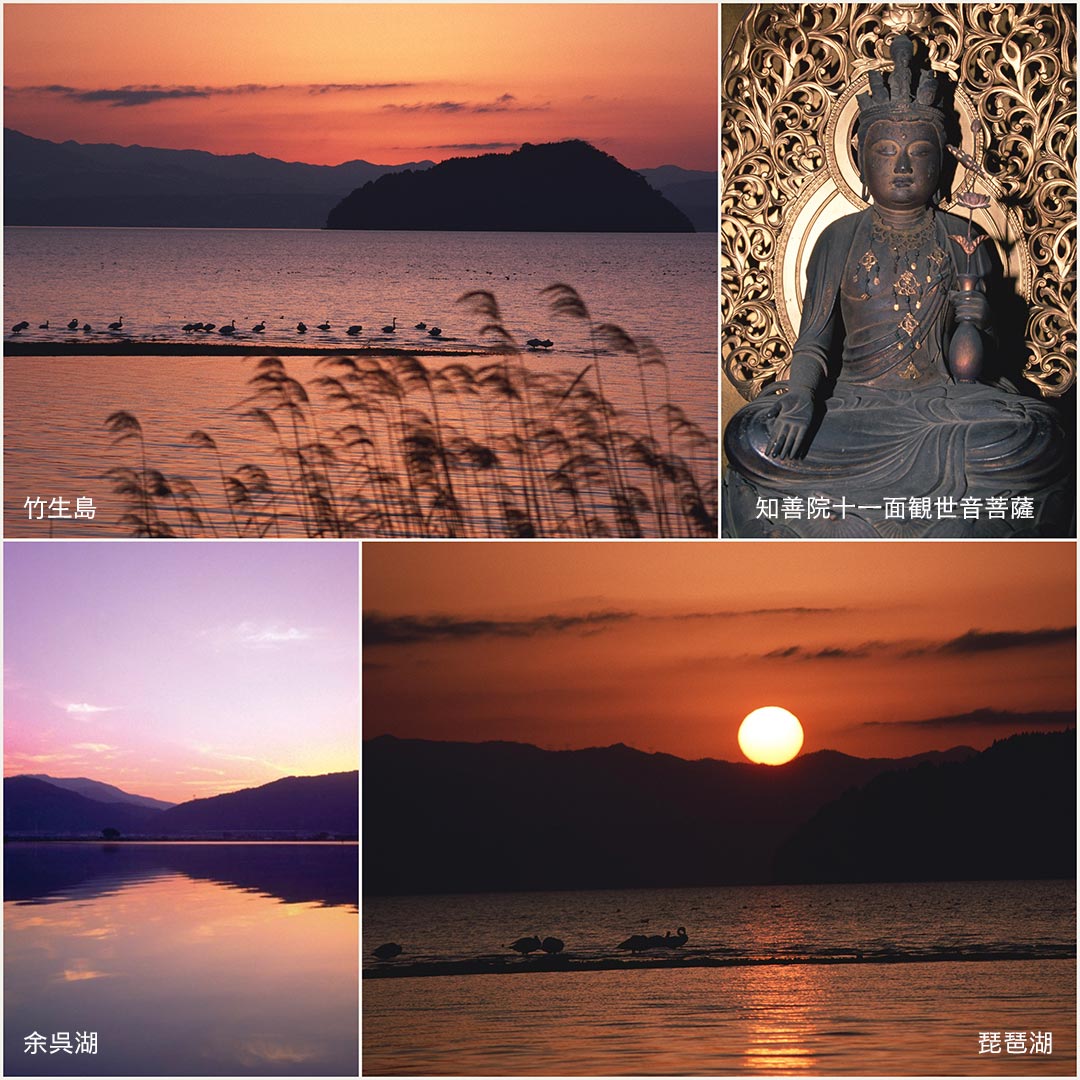
Significance and Legacy
Shirasu’s lasting contribution is to show how we can live tastefully among the ordinary rather than turning everything into spectacles. Designers such as Issey Miyake visited her Ginza shop as a young man and absorbed her standards for fabric and cut. An old Fujin Gahō piece highlighted how far the influence reached. When immunologist Tada Tomio fell sick, he picked up Noh drama from her work and wrote a tribute to honor her. The memorial performance was carried out by the grandson of her teacher Umewaka Minoru. The flower arranger Kawase Toshiro, who greatly respected her, contributed the arrangements. From teacher to student, writer to reader, one art form to another, it shows that people of similar temperament attracts each another. The links of inspiration and respect continue after the person is long gone.
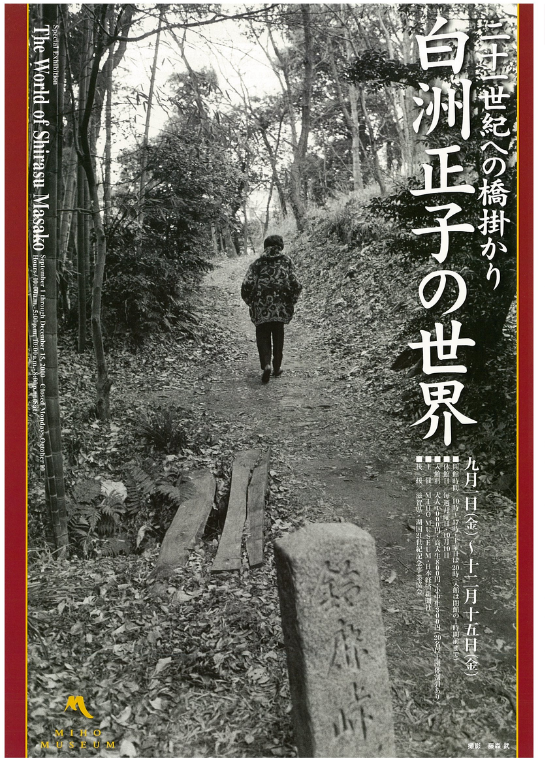
Buaisō is now open to the public as a memorial museum, with her living space and collections intact. Exhibitions and occasional Noh performances (e.g., the large retrospective at the Miho Museum in 2000, the centenary show at the Setagaya Art Museum in 2011) continue to showcase the Buddhist images, ceramics, and textiles she cherished. She continues to be featured in lifestyle magazines, often being referred to as a “kakkoi” figure even though she no longer dwells in this world. Books such as Kakurezato, the volumes on Noh masks, the mountains and rivers of Ōmi, and the pilgrimage of the Eleven-Headed Kannon are still reprinted to point new generations of cultural lovers to places she held highly.
Exhibitions posters:
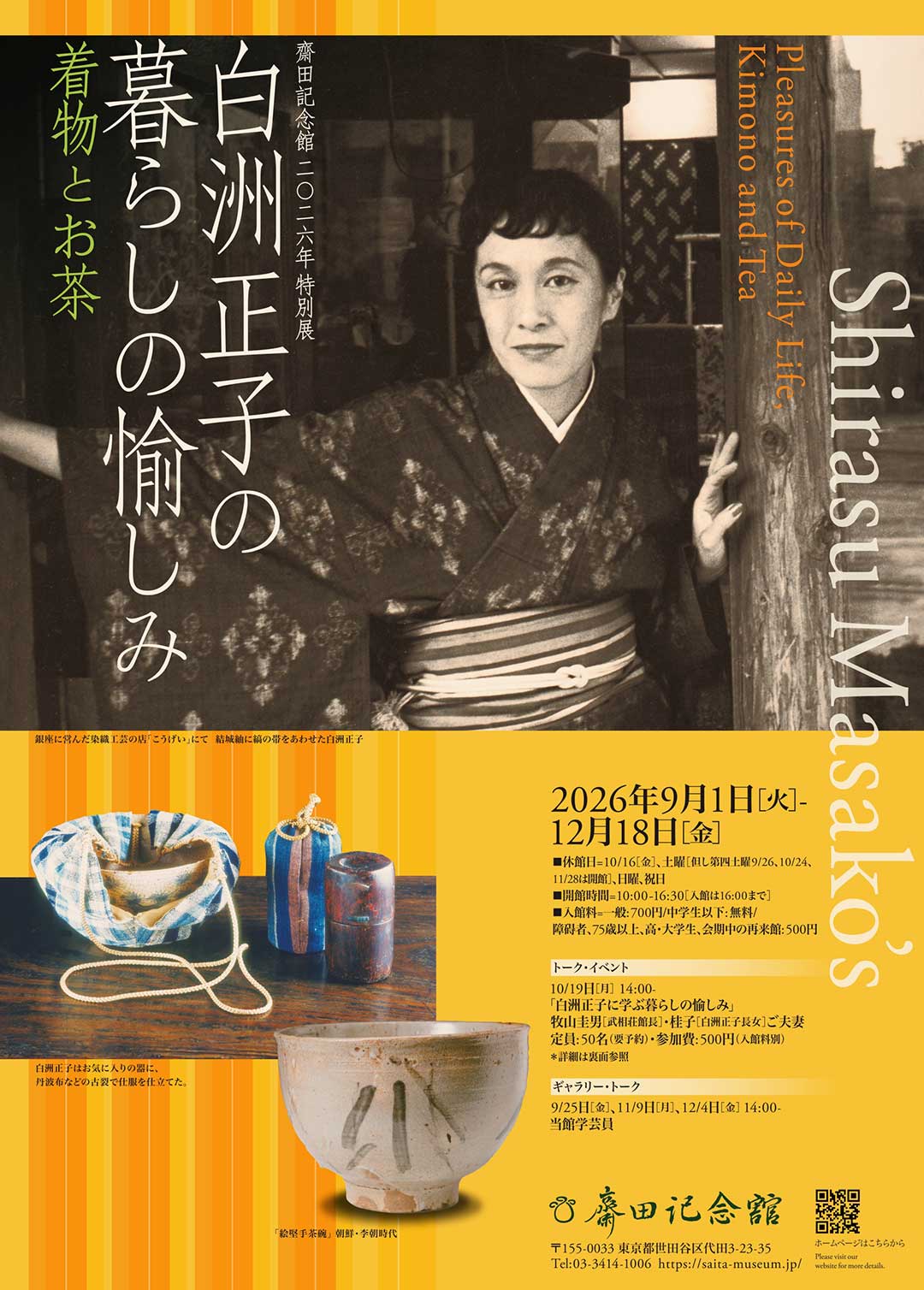
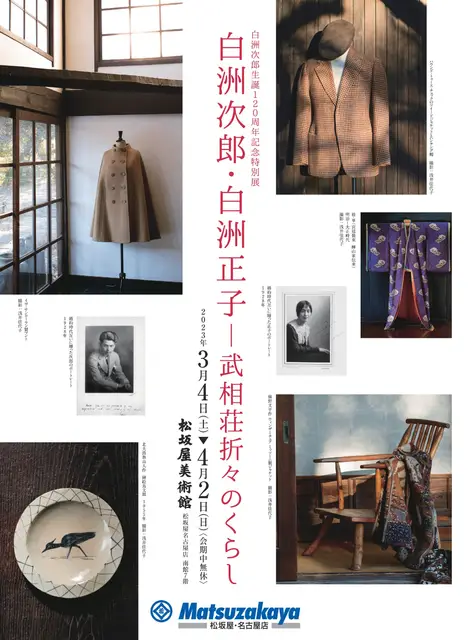
How her eye travels with me
Shirasu once said that the journey over a lifetime is more appealing than the destination. I have always kept that sentence’s metaphoric meaning in mind. In numerous trips, I’ve found that detours forced by weather or schedule change resulted in the biggest discoveries. Whether I rent a car to traverse the back roads in Noto and Alps villages where people still live outside the radar, or simply go to a suburb shopping street or library to observe how the locals actually live, buy and play, I find a much bigger sense of satisfaction by observing how people conduct their lives when no one is watching. Making a choice based on this is more poignant at a time where motivation is solely driven by the attention economy.
And together with Zeami’s classic treatises, her writing on Noh has initiated me into this highly spiritual drama form. I learnt to savor the tension between the movements, the way facial expressions change based on how light falls on a mask, and how restrained emotion can be expressed without any lyrics.
Buaisō 20th Anniversary Noh performanceAnother guide I found is Miyamoto Tsuneichi’s work on pre-war folk customs and regional life in Shikoku, Echizen, and Kii. The material that he provided gives a more detailed cultural background which Shirasu’s essays usually assumed. Together, both of them continue to show the way for discovering the vernicular side of Japan outside algorithms.
One day I will go to Buaisō and spend some time in the rooms where Masako Shirasu wrote and lived, with the things that she had selected. Until then, her books are my trusty guides.