When most people think of my hometown Macau SAR, they picture the “Las Vegas of Asia”, a glittering, hyper-dense peninsula famous for mega-casinos, Portuguese egg tarts, and East-Meets-West heritage. As the most densely populated region in the world, Macau isn’t exactly the first place that springs to mind for birdwatching. But beyond the baccarat tables and neon lights lies a fascinating, albeit compact, ecological system.
As a new birder, I’m always exploring new hotspots and species. My homecoming trip this May was the first time I birded in my hometown, and it was like seeing a familiar place with a new pair of lens. Come with me, as I take you along for a short birding trip to my hometown!
The Birding Scene
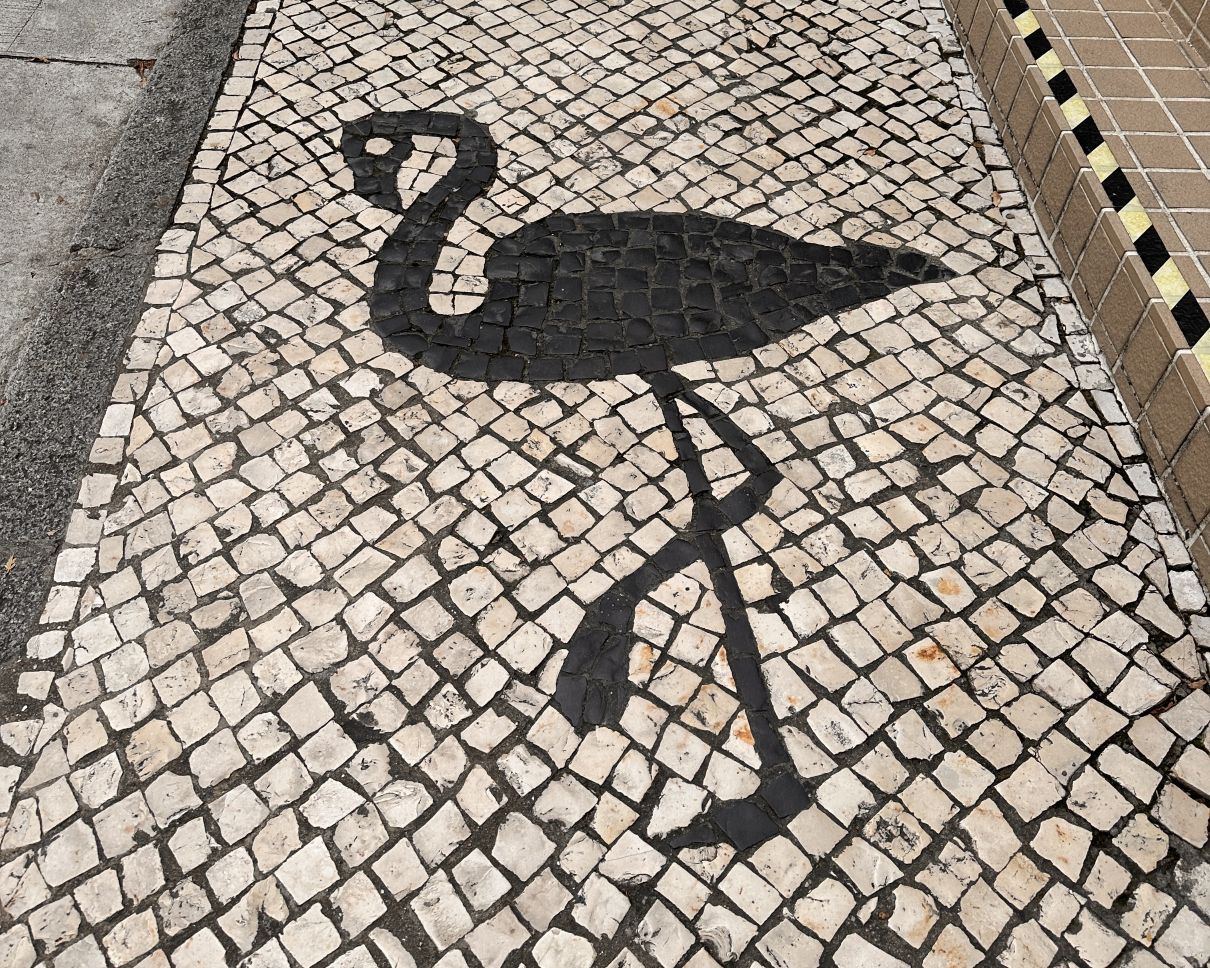
Birding here is a decidedly niche hobby. While neighboring Hong Kong has a massive and historically rich birdwatching community, Macau’s local birding scene is smaller. Organizations like the Macao Ecological Society champion local conservacy, but the number of active, binocular-toting birders likely rests in the mere dozens to low hundreds. You won’t find crowded bird blinds here; more often than not, you’ll have the viewing angles all to yourself.
All photos in this post were taken by me (except the spoonbill one) with my phone.
The Outdoor Environment & General Tips
Birders in Macau should expect an urban hiking experience. You will be birding from paved paths, elevated walkways, and the fringes of reclaimed land. The transition from concrete jungle to wetland habitat is abrupt and surreal.
Tips for the Macau Birder:
- Embrace Public Transit: Macau’s bus system is incredibly efficient (buses depart every 5-10 minutes) and inexpensive (~USD$0.4/trip). You can get from a dense urban center to a coastal wetland in 20 minutes.
- Timing is Everything: Beat the subtropical heat and the tourist crowds by starting your excursions at dawn. Don’t be fooled by the absolute temperature numbers, because the humidity is what’s driving the stuffy experience after midday.
- Bring a Scope: A spotting scope is highly recommended for the coastal mudflats, as fences or water channels often keep you at a distance from the wading birds. In the city, a pair of 8x bins will be enough, as I find the birds quite accustomed to people nearby.
Where To Go?
Top Hotspots on eBird
Despite its diminutive size, Macau boasts surprisingly productive eBird hotspots:
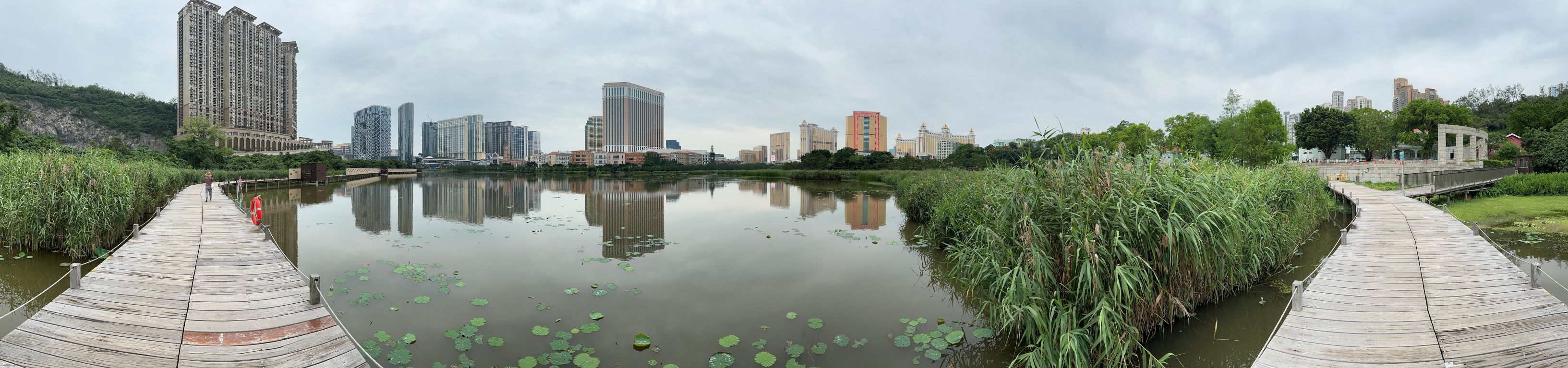
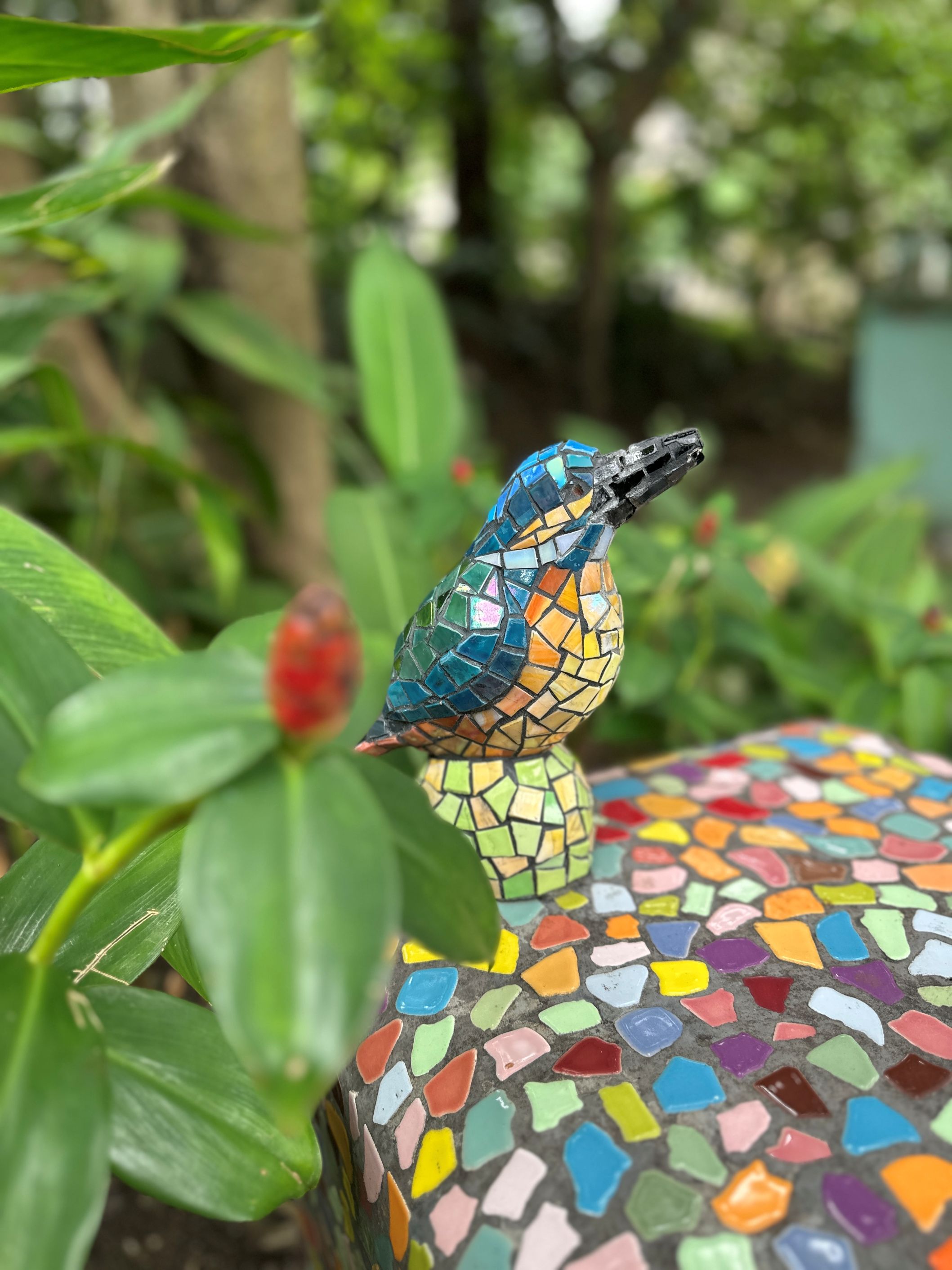
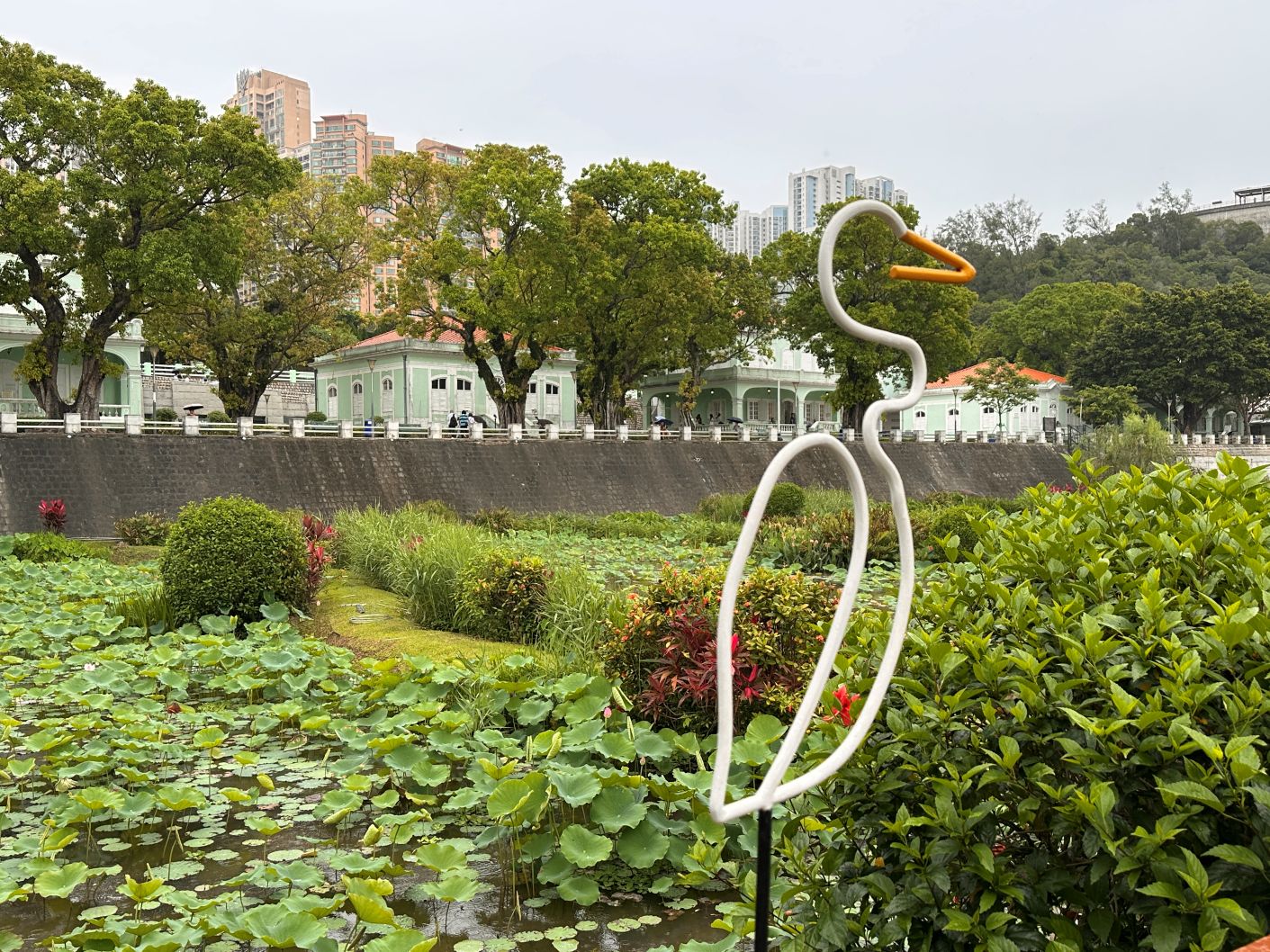
- Avenida da Praia Wetland 龍環葡韻: 172 species. A beautiful, tree-lined promenade with historical buildings from the Portuguese colonial era, as well as trails crisscrossing into the wetland (with blinds along the way). It’s arguably the best spot in the city, offering freshwater and brackish habitats right across from the mega-resorts.
Coloane 路環: The southernmost island provides Macau’s “green lung,”. Its forested hills and hiking trails are your best bet for spotting woodland species (282 total).
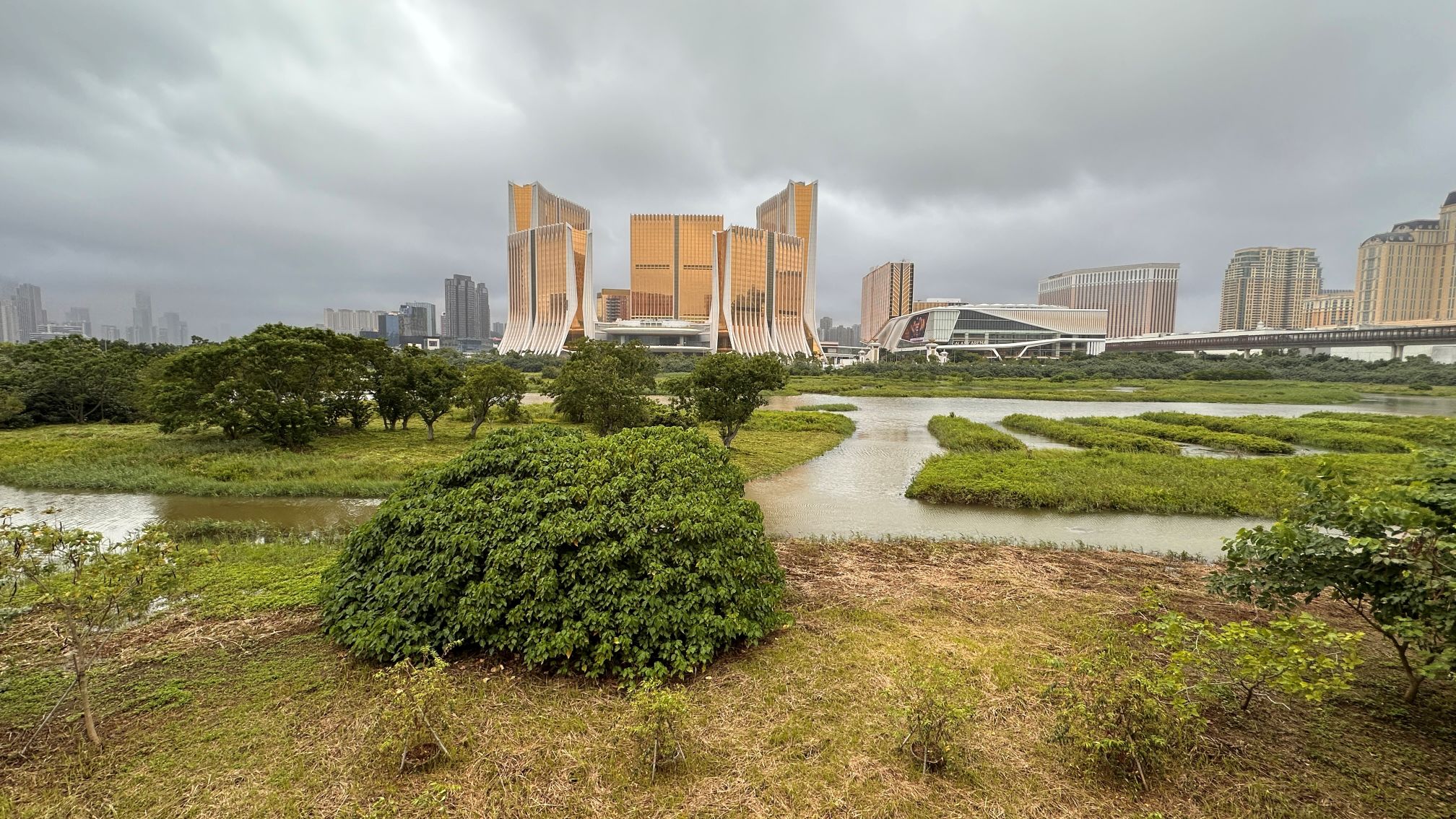
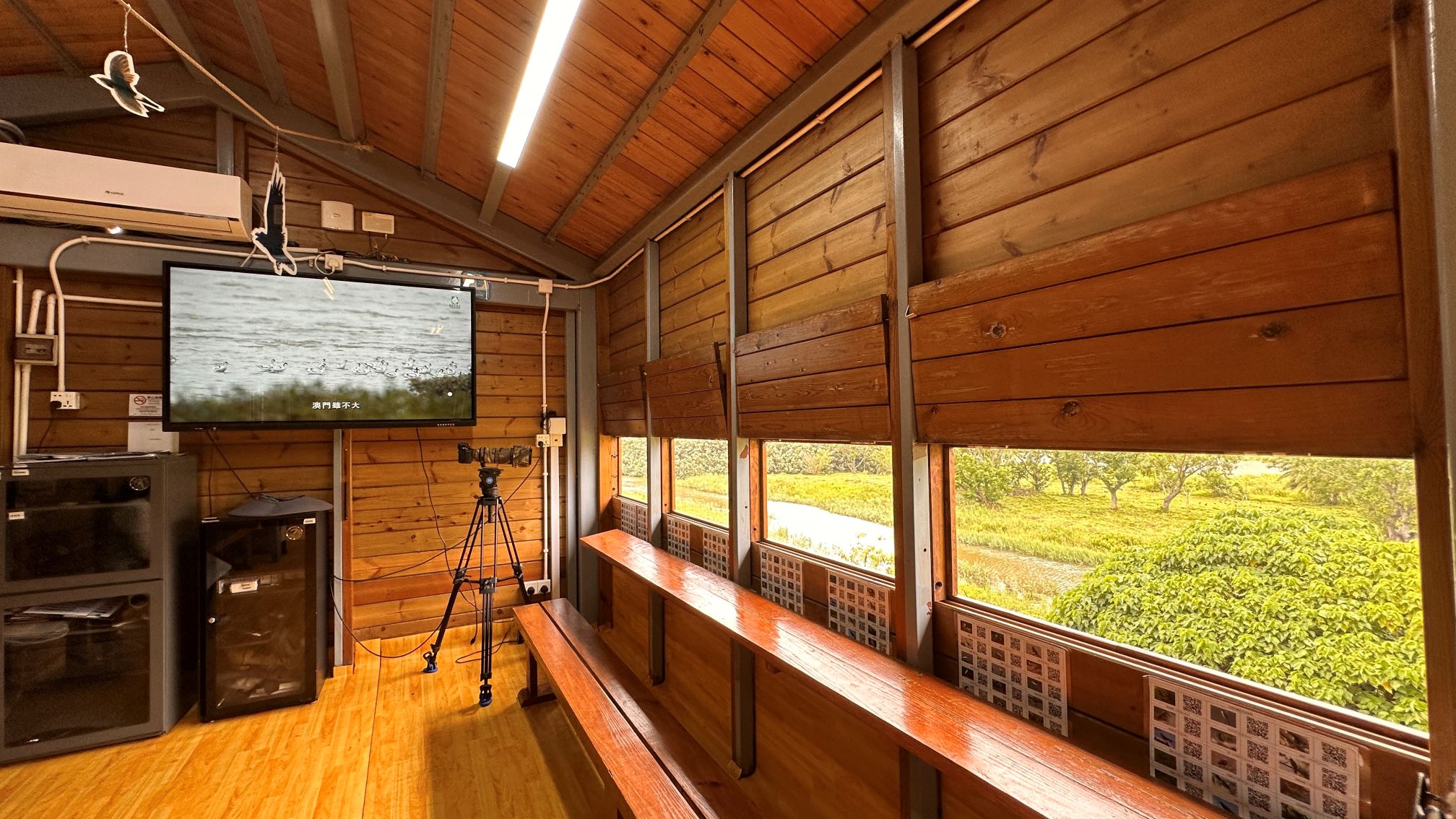
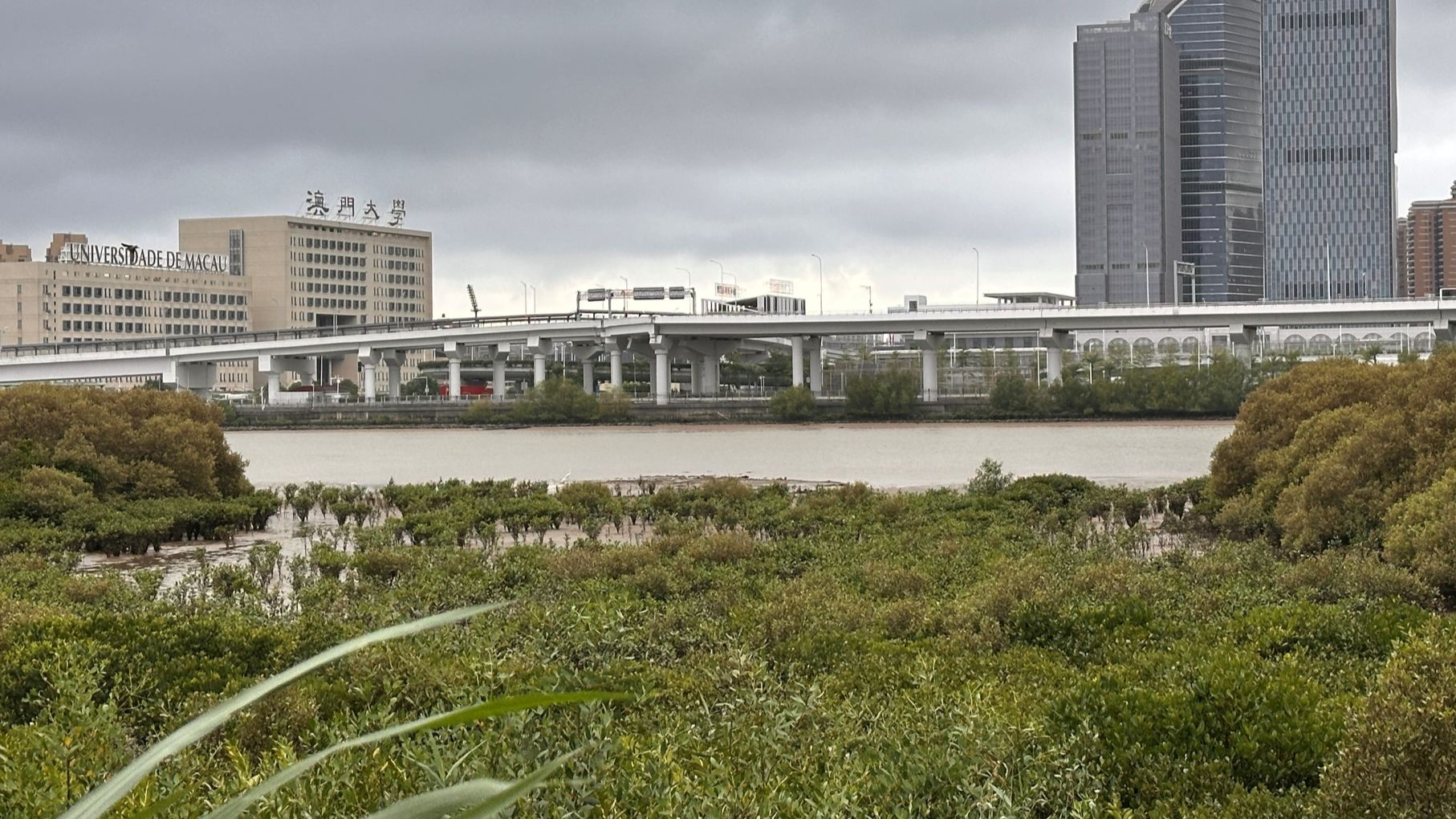
The nearby Cotai Ecological Protection Zone 路氹城生態保護區 is home to migrating winter birds. The reserve is divided into 2 zones. Zone 1 (126 species) is a brackish marsh wetland with limited public access. It has 4 bird-watching platforms, 2 bird-watching houses, and a natural study path. The area supports rich biodiversity, including 188 bird species such as the rare black-faced spoonbill. Zone 2 (158 species) is an open-access coastal mudflat mangrove wetland along a biking/walking path, looking across the river to mainland China.
On a breezy Sunday, I joined a very leisurely walk in the reserve led by a friendly guide, who showed me winter migration videos, specimens, and a brief history of the project.
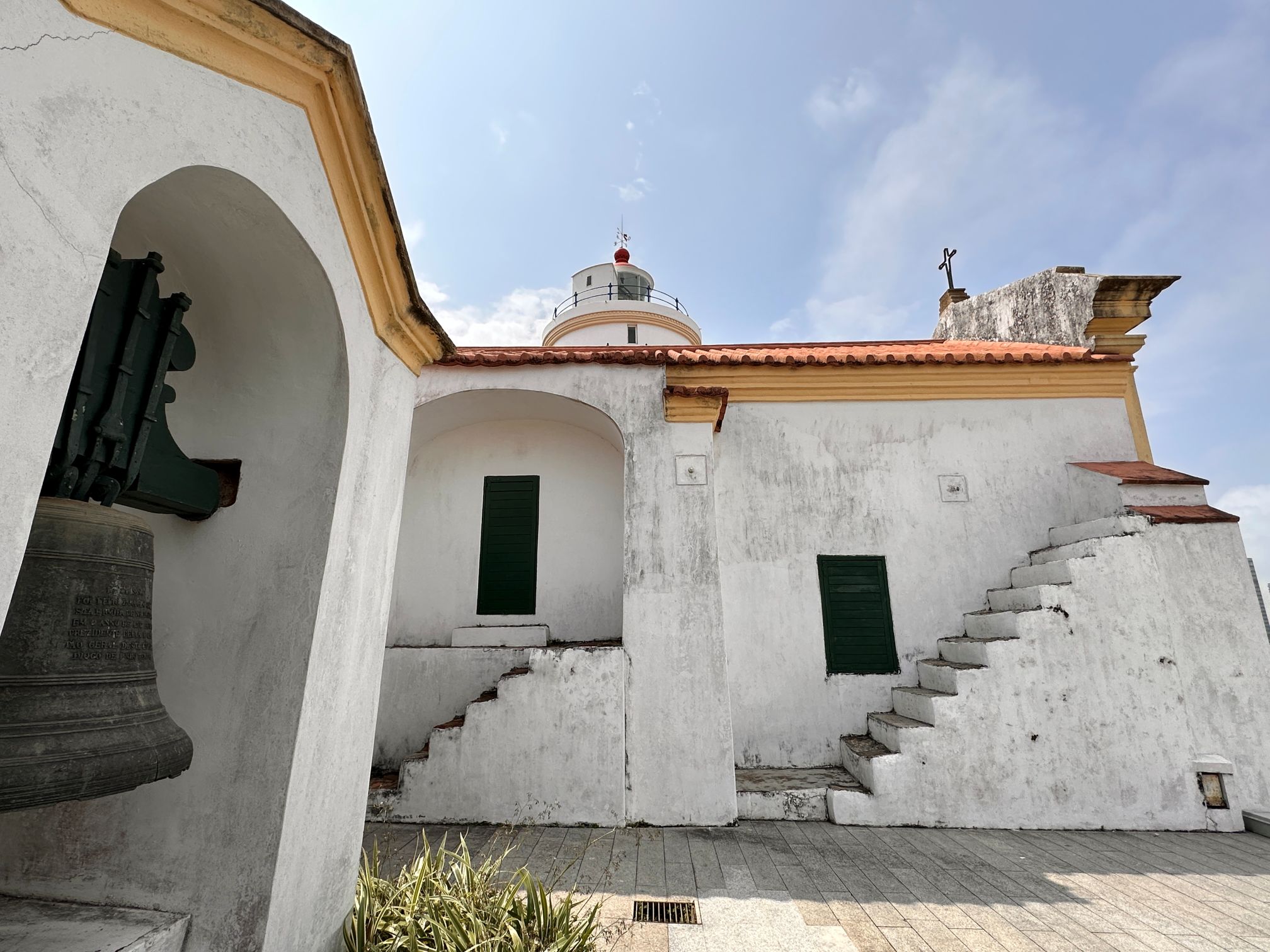
- Guia Hill: 115 species. A fantastic urban park in the middle of the Macau Peninsula, perfect for spotting migrant passerines and common resident birds amid the woods below the historic fortress. The vibe here is very energetic, and you will sure bump into joggers and trainers from all age groups as you ascend the steep hill. I love to combine this trip with a quick hearty breakfast in nearby Horta da Mitra 雀仔園, which literally means “Bird Land” in Chinese!
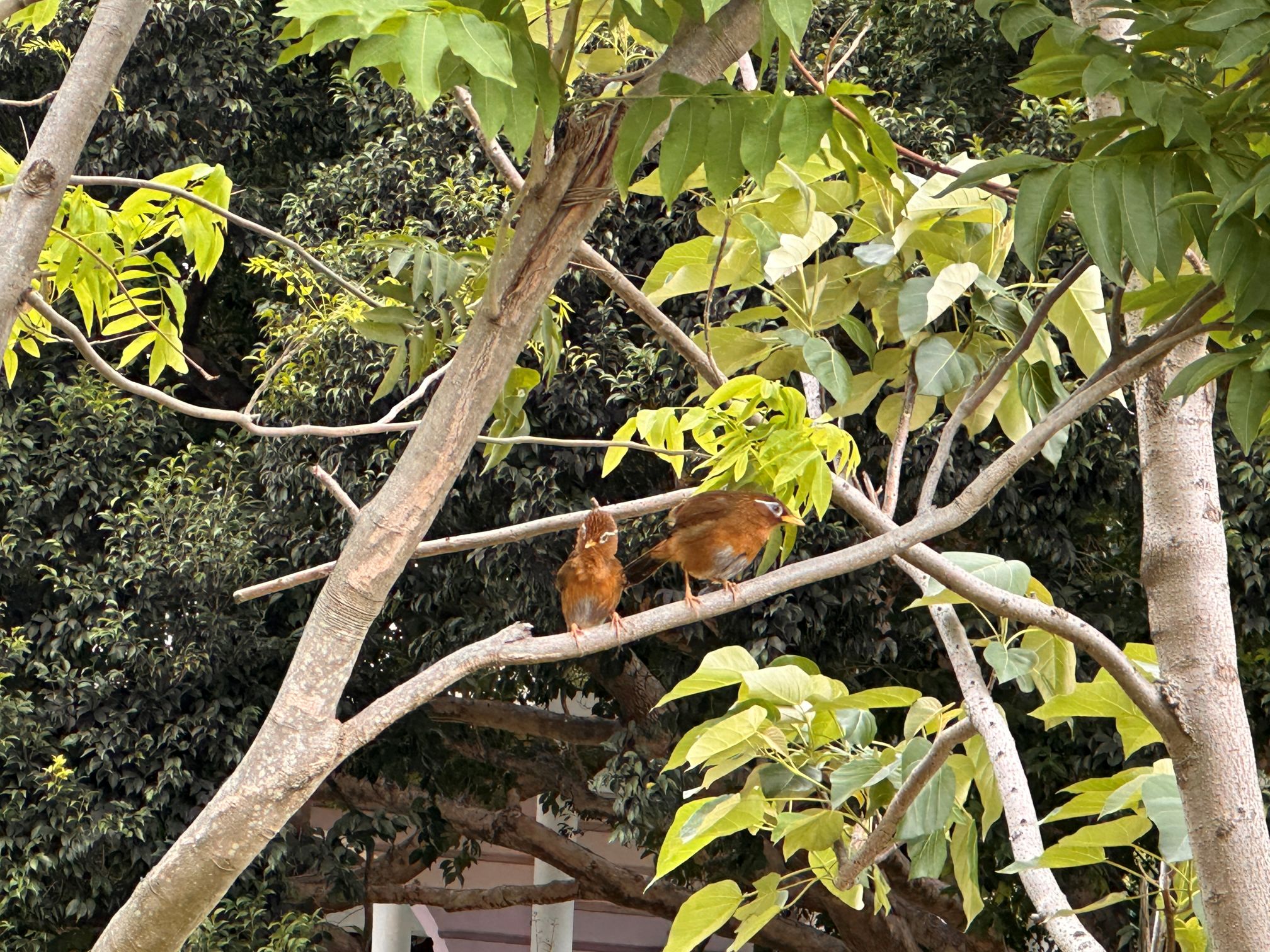
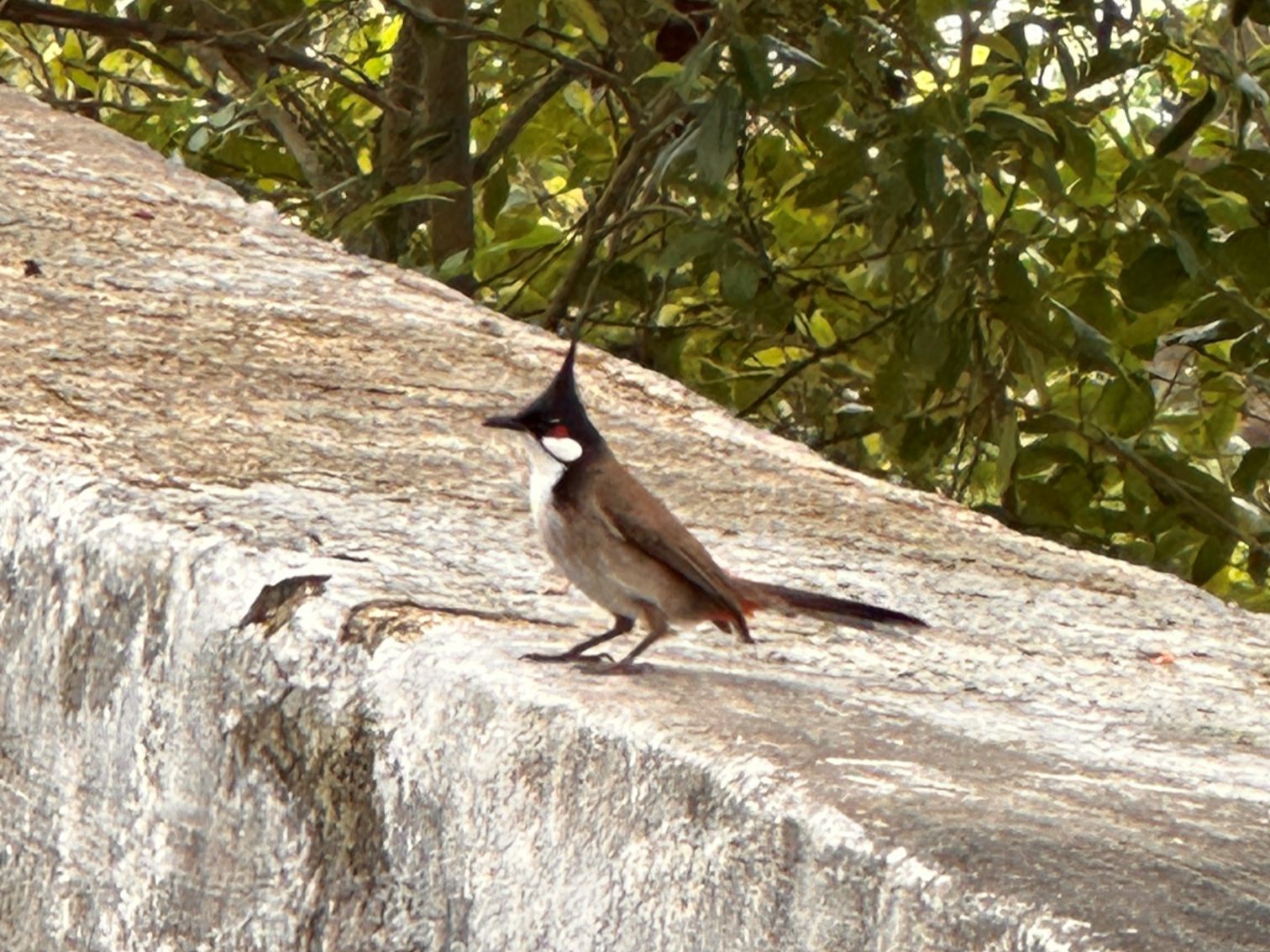
Spotlight: My Favorite Secret Hotspot - Patane Market 沙梨頭街市

During this trip, I was pleasantly surprised to discover a place that is outside of eBird’s radar: the Patane Market - 沙梨頭街市 on the Inner Harbour. Known primarily as a bustling wet market where locals buy their daily grocery and have a quick meal, it is an unconventional but thrilling birding spot.
My original plan was to check out the food court. As I walked towards there, I was amazed by a heavy flock of birds flying over docks, fishing boats and buoys. Here, the birding isn’t about pristine, untouched nature; it’s about opportunistic survival. Egrets and herons stalk the waterfront, boldly scavenging for fish scraps and bycatch discarded by the fishing boats. Looking up, I saw several Black Kites circling the harbor winds, waiting for a chance to swoop. It’s gritty, loud, and smells heavily of the sea. What a perfect, unfiltered microcosm of Macau’s uniquely intertwined human and avian life.
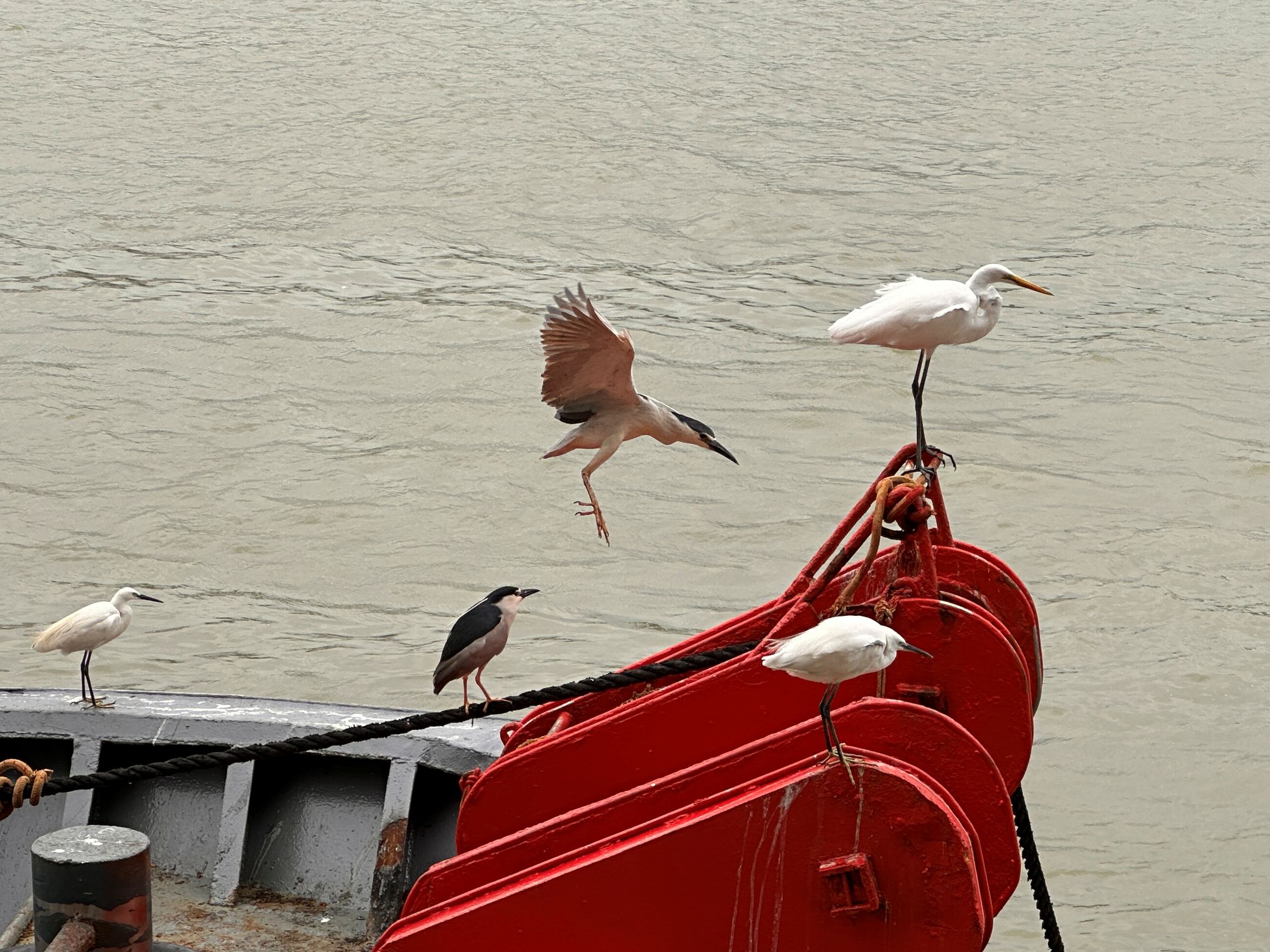
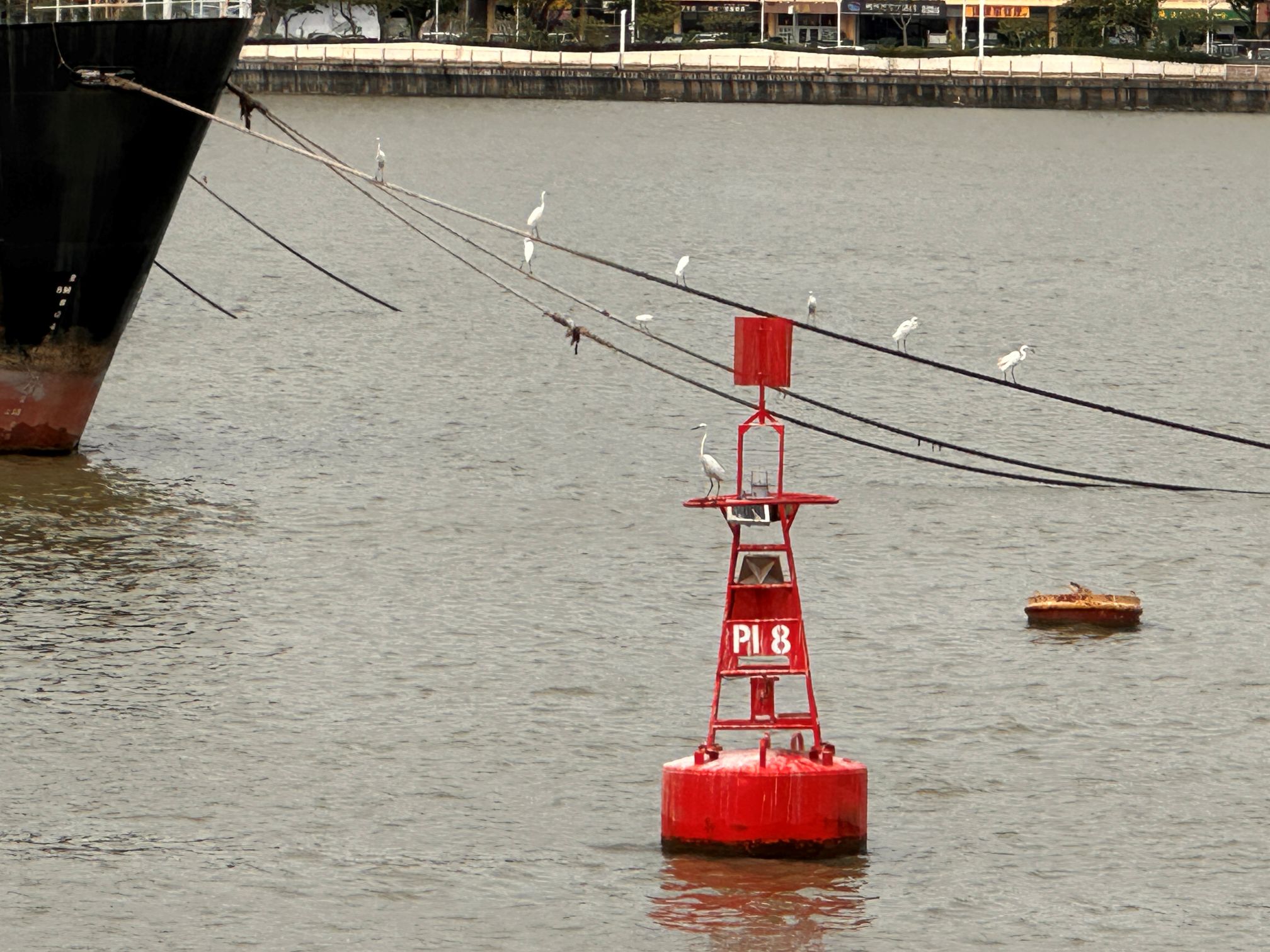
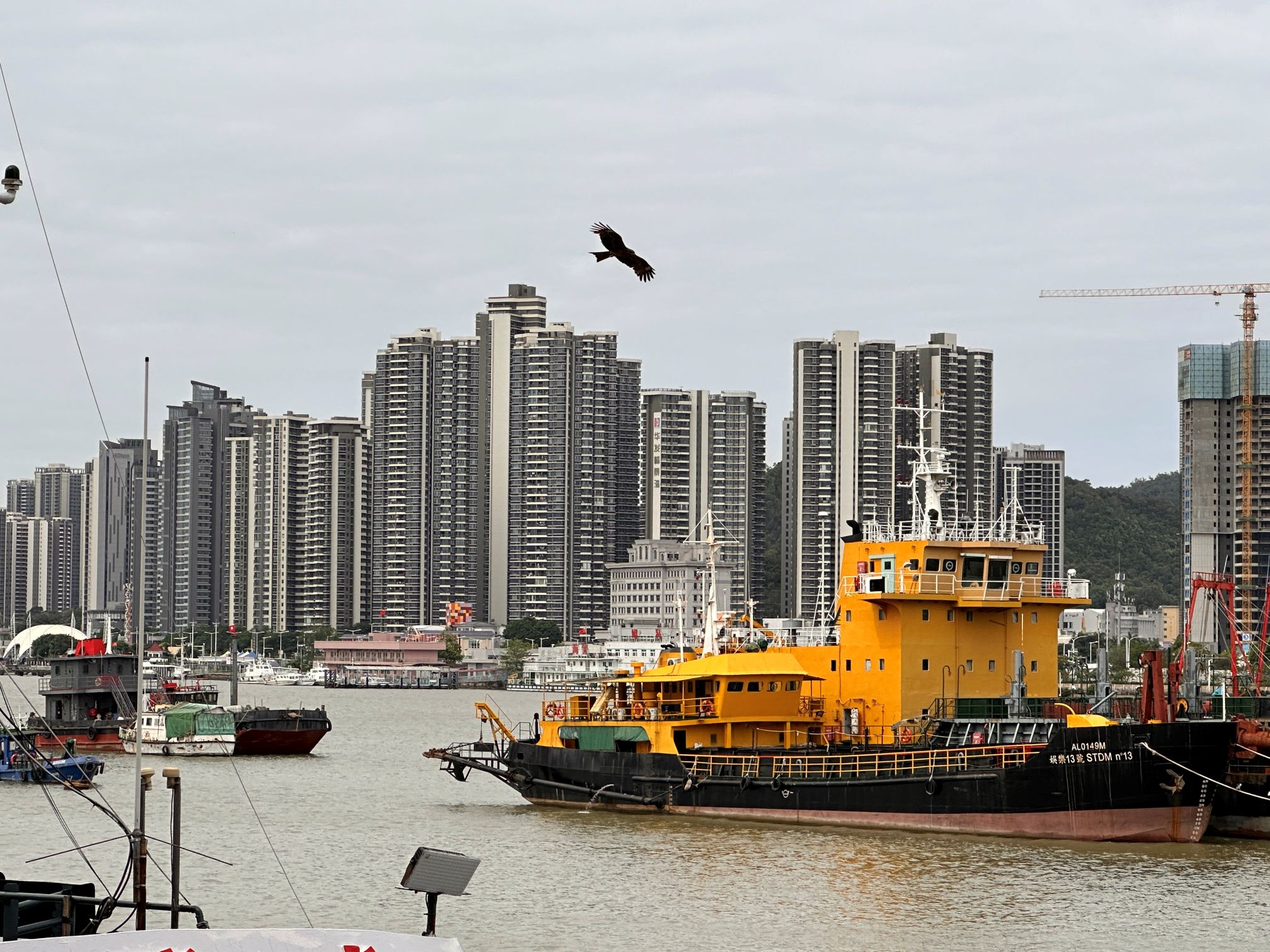
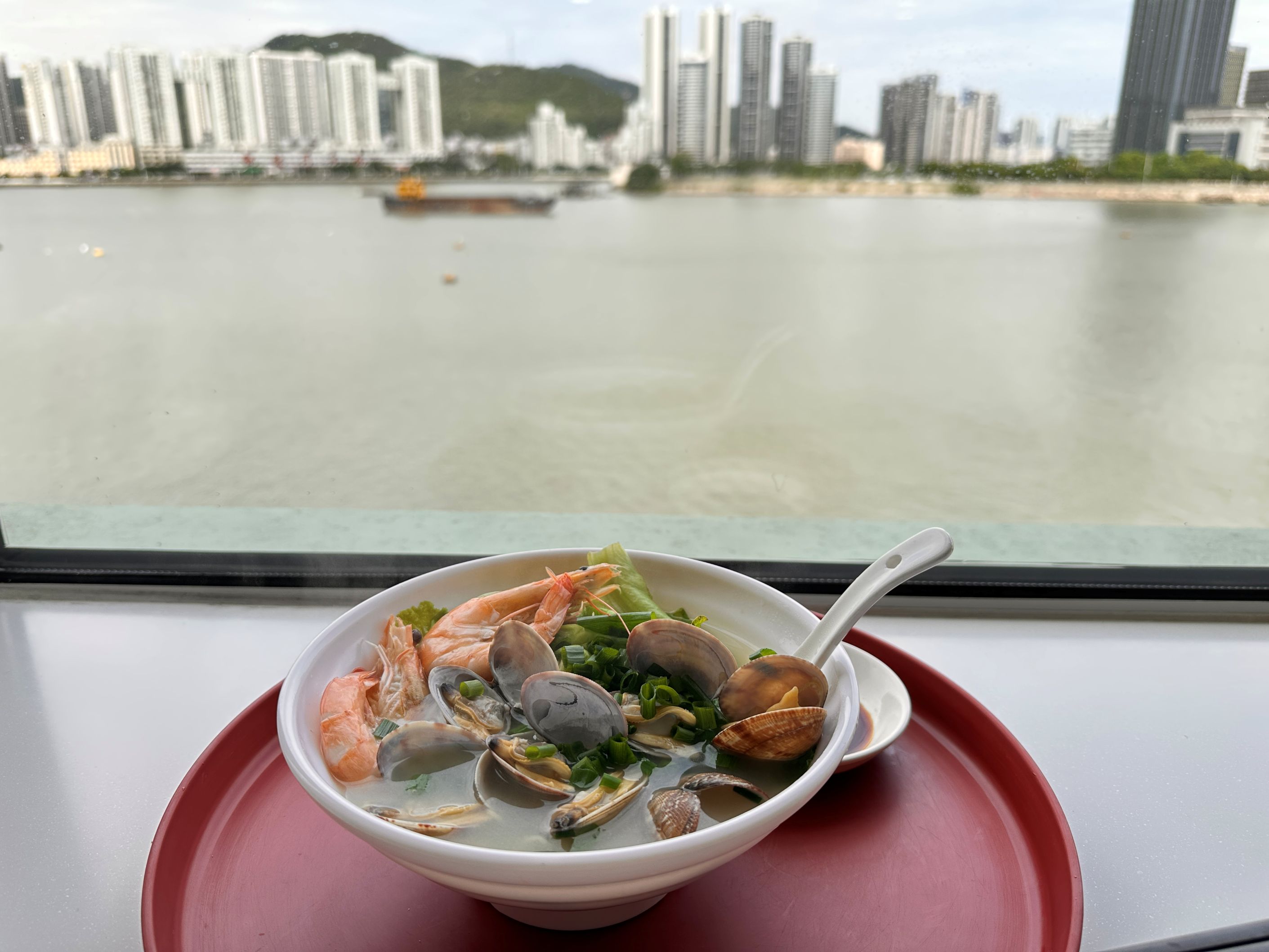
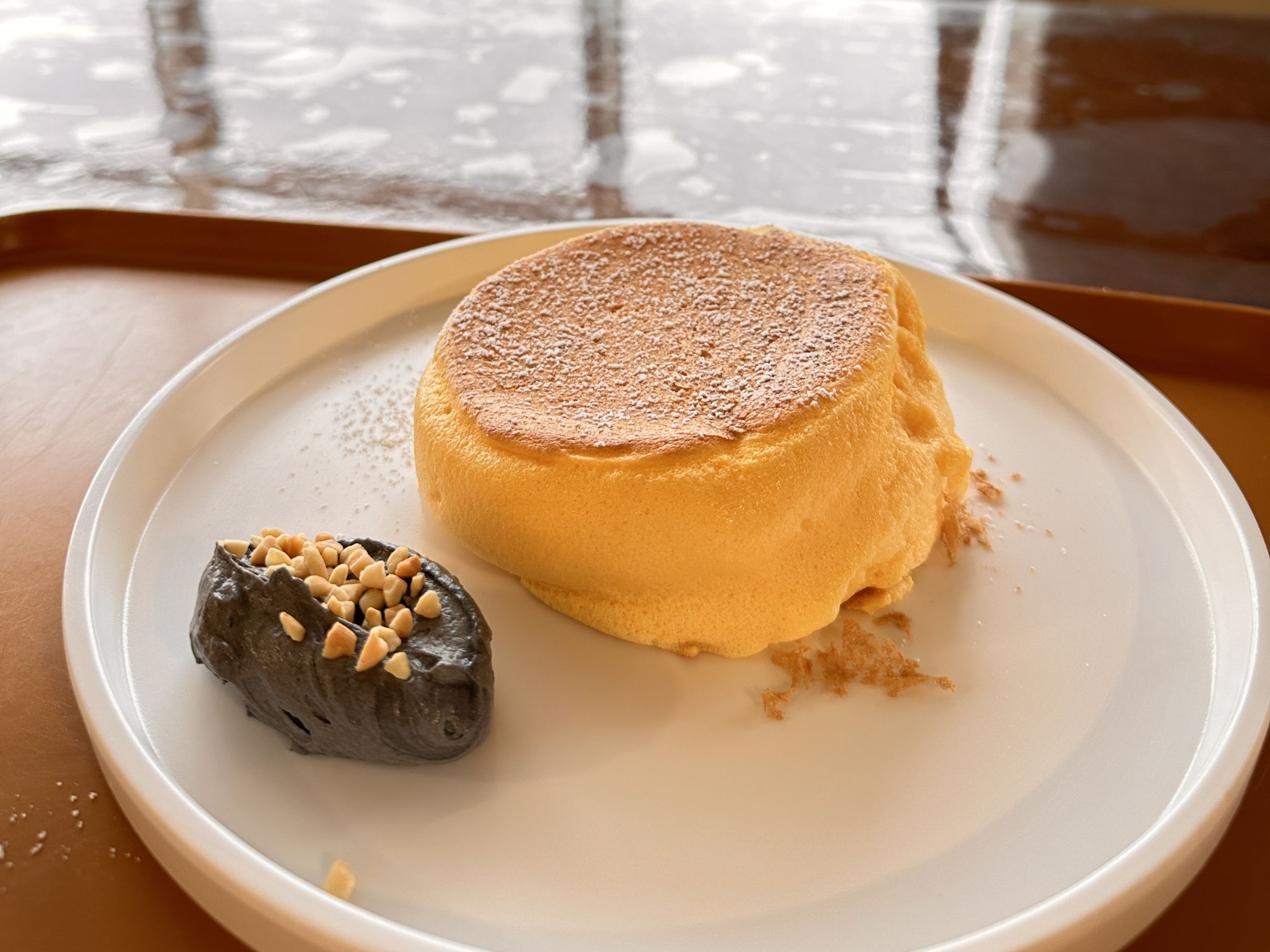
At Patane market, what’s even better is that you can bird while savoring fresh seafood, BBQ, desserts and various Chinese dishes, all from the comfort of an air-conditioned food court. This is modern comfort meeting natural adventure at its best!
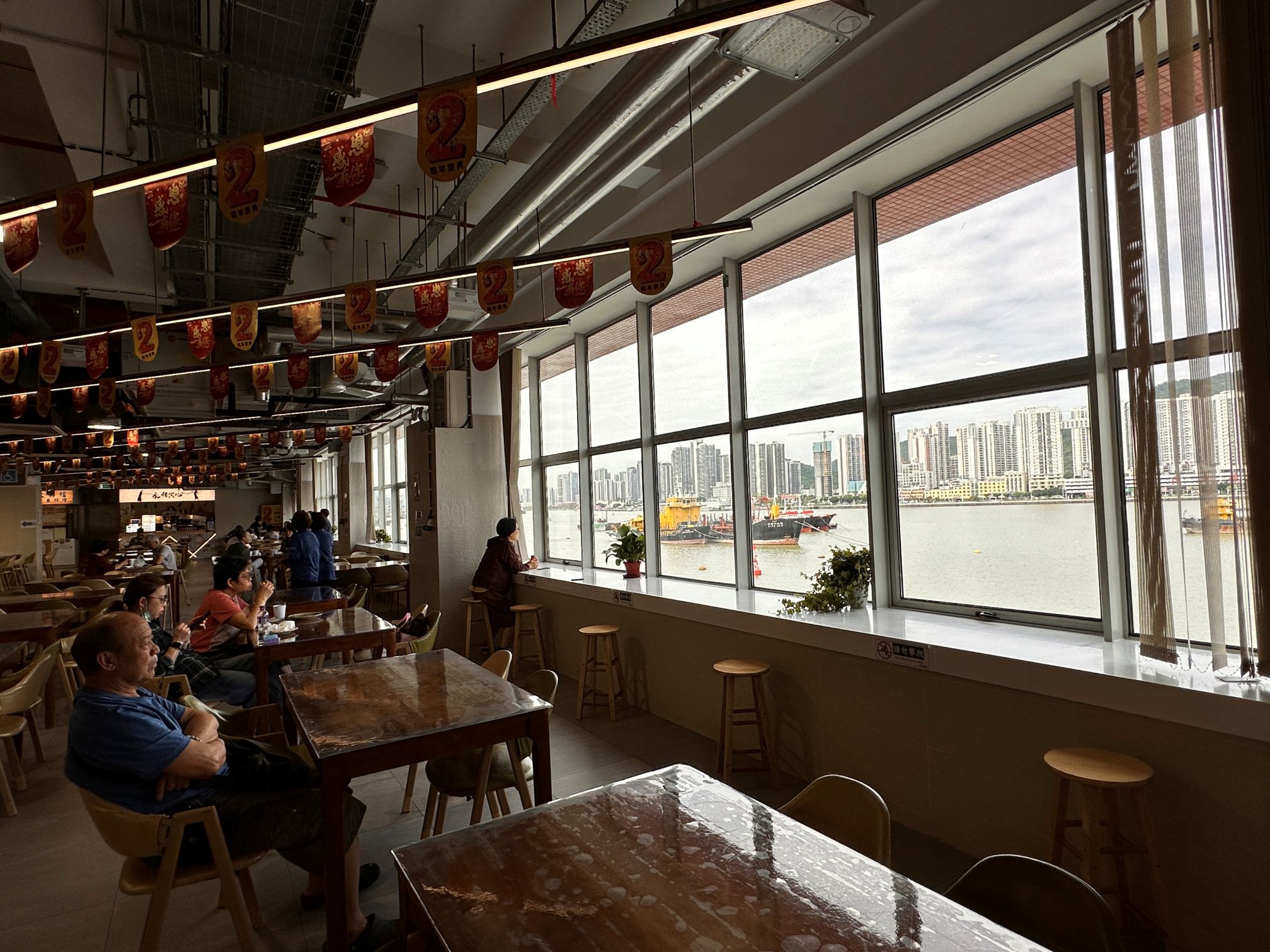


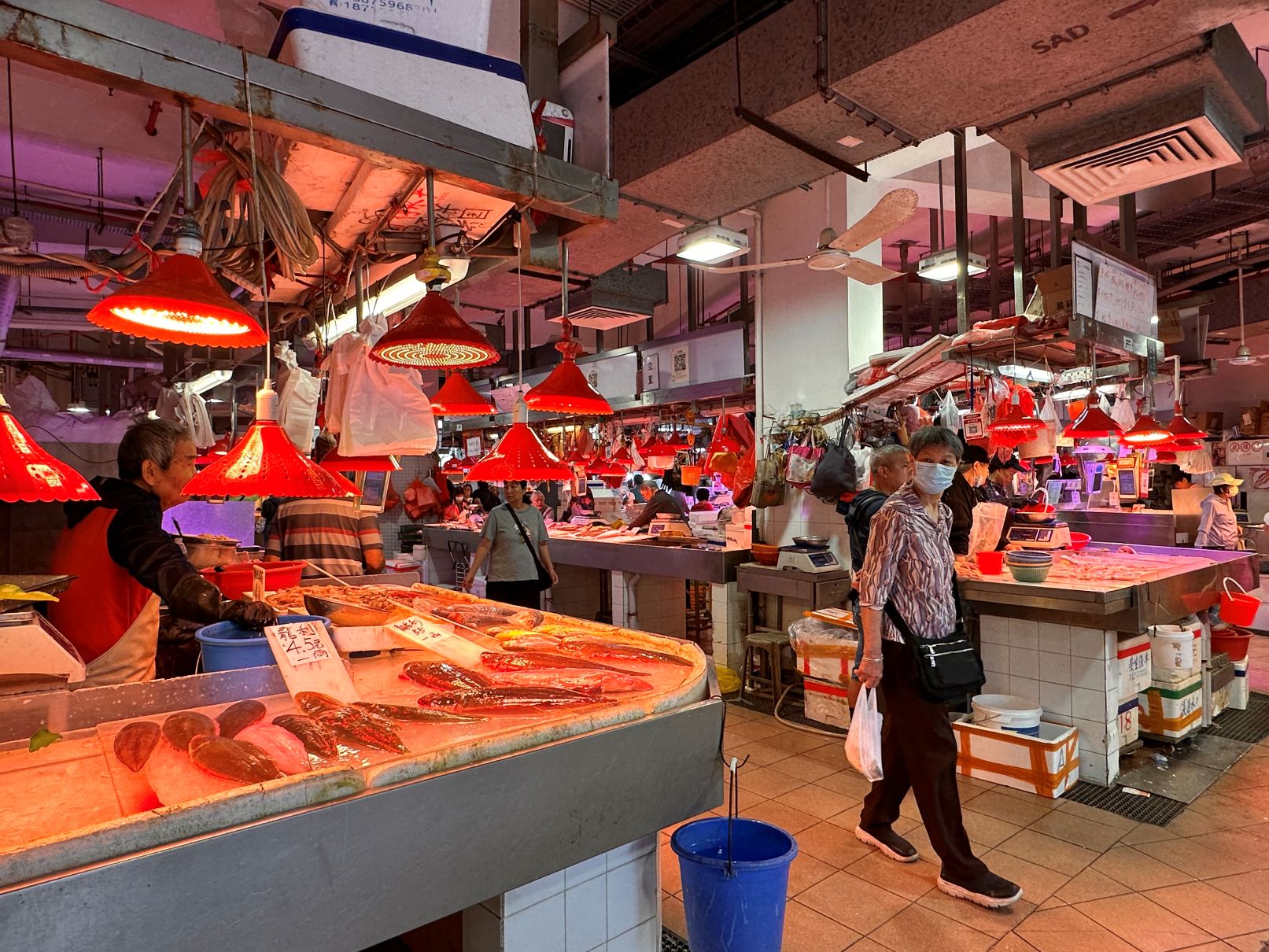
I left with both my belly and soul fulfilled, and I can’t wait to return!
What You’ll See
Common & Rare Species
The Regulars: The urban soundscape is dominated by the cheerful calls of Eurasian Tree Sparrows, Light-vented Bulbuls, Red-whiskered Bulbuls, and Crested Mynas. Around any body of water, you’ll easily spot Great Egrets, Little Egrets, Chinese Pond Herons, and Black-crowned Night Herons hunting in the shallows.
The VIPs: The undisputed star of Macau birding is the globally endangered Black-faced Spoonbill. This rare wading bird uses the Cotai Ecological Zone as a crucial wintering ground. Seeing a flock of these bizarre-looking birds sweeping their spatulate bills through the water is a world-class birding experience that draws international conservation attention.
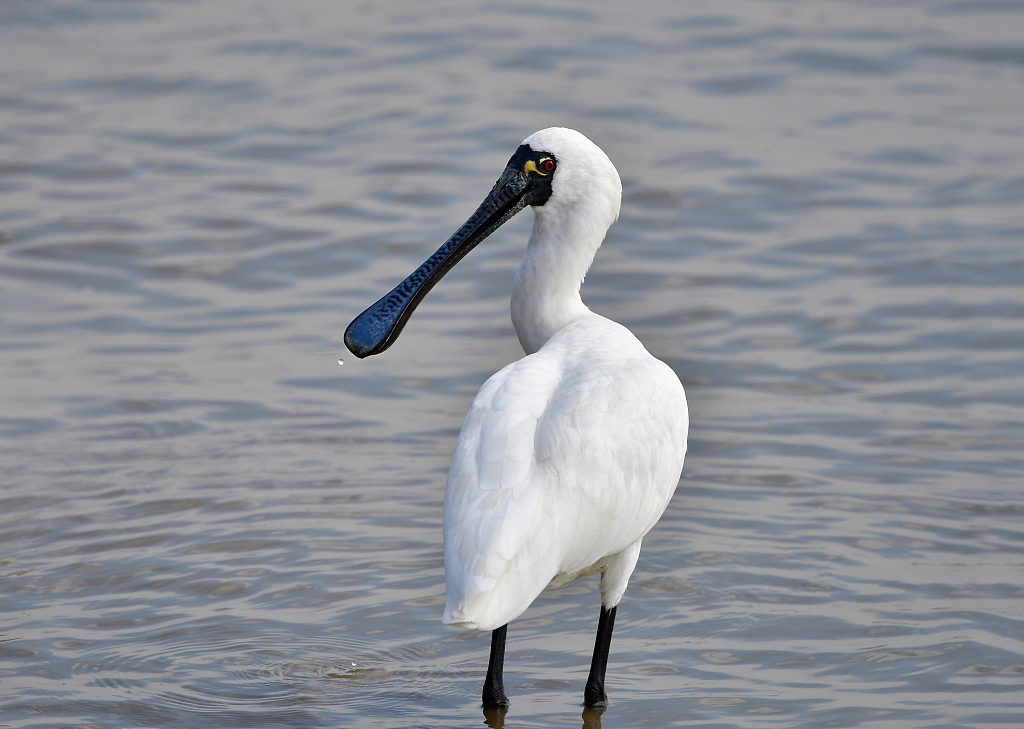 photo credit: VCG
As my trip fell on May, I completely missed the Spoonbill. Well, there’s always a next trip to look forward to!
Macau also occasionally hosts other highly sought-after rarities, such as the critically endangered Yellow-breasted Bunting.
Migration Patterns
Macau sits squarely on the East Asian-Australasian Flyway. The absolute best time to visit for birding is from late autumn through early spring (October to April). During this window, the region’s mudflats become a vital refueling station and wintering home for migratory shorebirds and waterfowl fleeing the freezing temperatures of northern China, Korea, and Siberia.
The Cotai Story: Neon, Nostalgia, and Nature
To understand Macau’s birding today, we have to look at how rapidly its landscape changed over the last three decades. What makes birdwatching here entirely unique is the extreme juxtaposition. For an expat or a visiting birder, standing at the edge of a reserve is almost surreal. Nowhere else in the world can you photograph a globally endangered Black-faced Spoonbill with the gargantuan, golden façade of the Galaxy Macau casino looming in the immediate background. It is a striking visual reminder of the delicate, persistent survival of nature on the very edges of hyper-capitalist development.
The Golden Era of the Mangroves
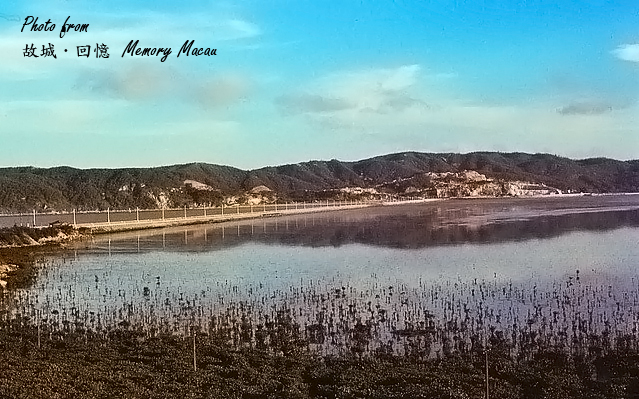
Historically, Macau featured small tidal islands and natural coastal wetlands. After a land causeway was built in 1968 connecting Taipa and Coloane, the area became perfectly sheltered by Hengqin Island, creating a calm environment where a massive mangrove forest thrived. Dominant mangrove species like Aegiceras corniculatum (桐花樹) and Acanthus ilicifolius (老鼠勅) formed a natural “green wall” that protected the islands from typhoons. These trees were biological marvels that excreted salt and germinated their seeds while still attached to the branches. In the 1950s, local villagers relied on this forest, harvesting the wood for firewood, furniture, and even boat building.
The Casino Boom and the Cost of Progress
Starting in 1989 and continuing until 2005, the shallow waters between Taipa and Coloane were systematically filled in to create the Cotai Strip. For local residents, this era brought an undeniable increase in living standards, modern infrastructure, and global economic prominence. But it also forced an irreversible trade-off.
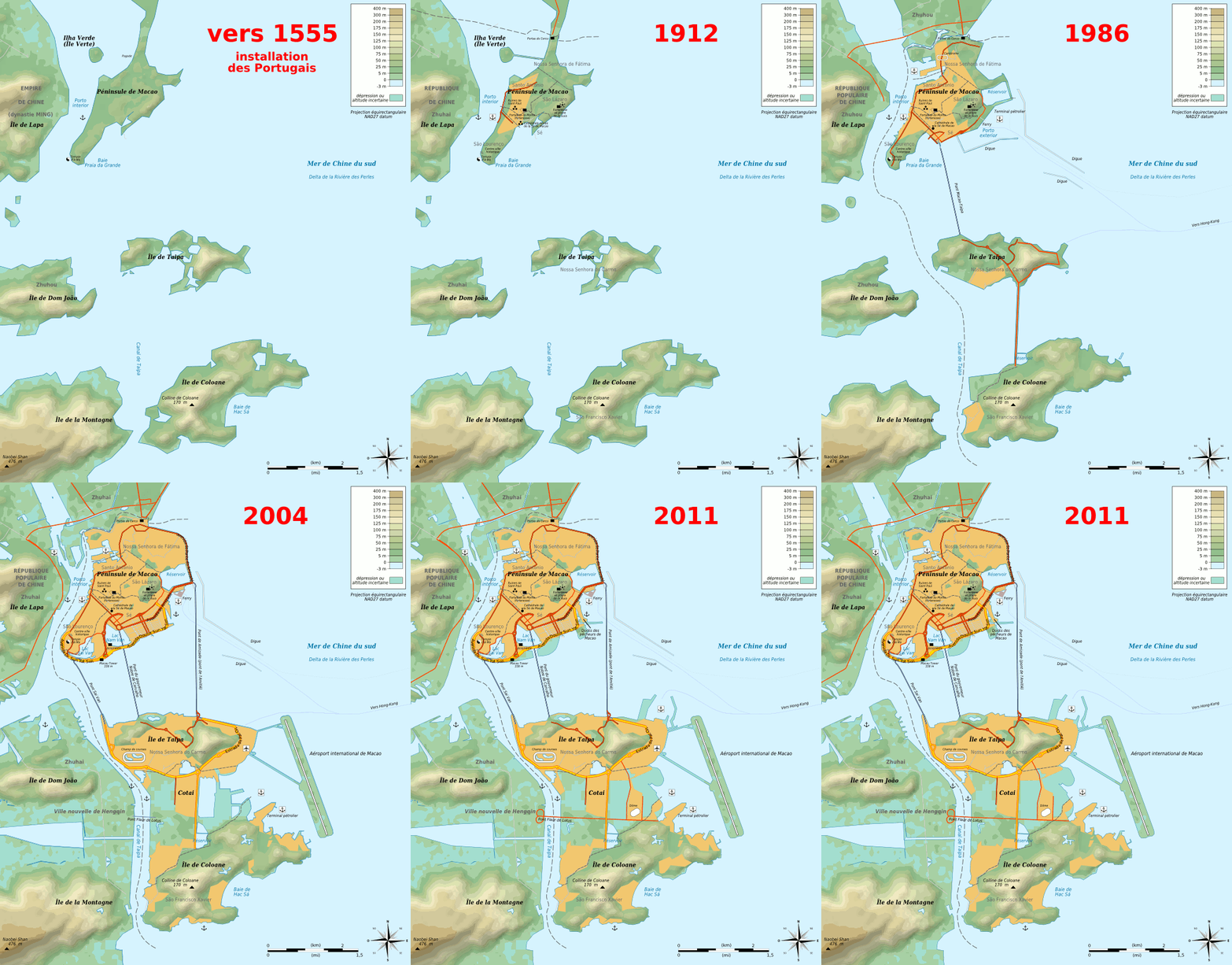 Bourrichon (CC BY-SA 3.0)
This large-scale land reclamation resulted in severe environmental damage. During this era, the wetlands were often treated as a dumping ground for waste and sewage, and the current wetland at Avenida da Praia (Taipa Houses) highlighted above is actually just a withered remnant of a much larger ecosystem. This rapid urbanization directly conflicted with local wildlife. The area was once an unexpected ecological miracle that recorded 12 out of China’s roughly 20 egret species. Before the mega-casinos were built, the Taipa mangroves hosted around 1,400 egrets. However, due to habitat destruction, coupled with severe noise, air, and light pollution from the neighboring casinos, this population plummeted to just 500. The Black-faced Spoonbill, a rare wading bird relying heavily on these coastal environments for its wintering grounds, also became a focal point of this ecological tension. Many concerned citizens that were not even birders joined force to voice their support for protecting this critical and unique habitat for the wintering birds.
It wasn’t just about bidding farewell to the original coastal mangroves and the slower-paced island charm. As pristine shorelines were lost to concrete and steel, the city itself began to buckle under the heavy, exhausting toll of over-tourism. Today, locals are forced to navigate crowded infrastructure and skyrocketing living costs. Cherished neighborhood haunts have been displaced by gift shops catering entirely to a transient tourist crowd, and the authentic, soulful quality of local food has often been diluted for mass, rapid consumption.
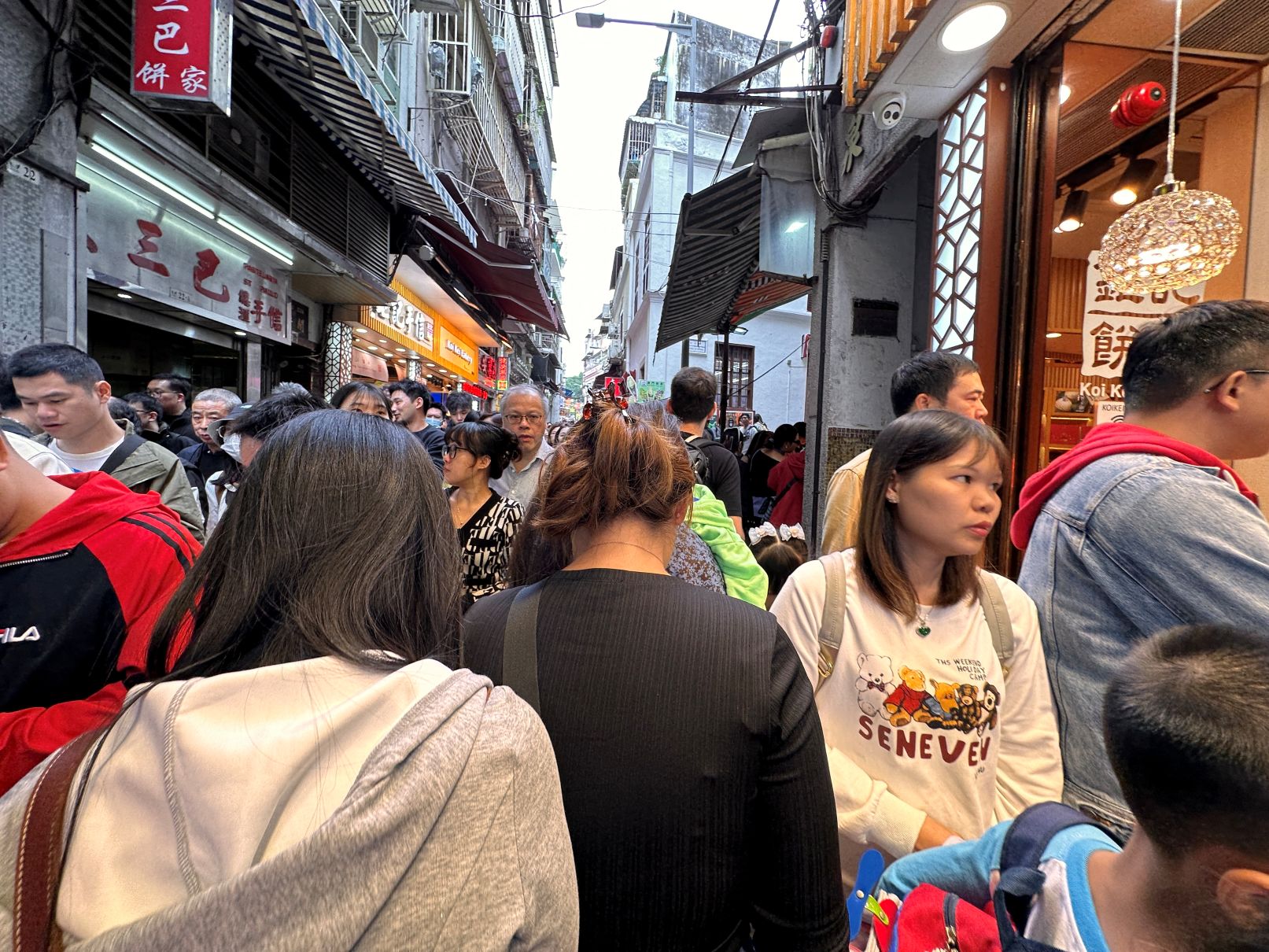
Birding brings these urban gaps into sharp focus. The hobby demands patience, quiet observation, fresh air, and undisturbed environments, all the exact elements that rapid commercialization strips away. When you are standing on the edge of a bustling, reclaimed road, searching for a sliver of unpaved earth to watch an egret hunt, the claustrophobia of hyper-development and the true cultural cost of “progress” become impossible to ignore.
Rebirth, Resilience, and Reclaiming Humanity
There is a brittle balance between the rapid movements of Asian mega-development and nature’s own resilient pace. The acute loss of these native habitats sparked a necessary awakening, and today there is a promising surge in conservation awareness driven by grassroots advocates and government initiatives.
To mitigate the habitat loss, the Macau government established the Cotai Ecological Protection Zone, which rebuilt a 55-hectares mangrove and wetland system near the Macau-Hengqin Lotus Bridge:
- Winter Returns: The zone acts as a critical refuge. Recently, the first groups of Black-faced Spoonbills have successfully returned to the protection zone for the winter migratory season, which lasts until April.
- Global Population Growth: Globally, international conservation action plans have helped the species recover significantly, with the global population rising to over 6,000 individuals by 2021–2022. As a result, the Black-faced Spoonbill was successfully downlisted from “Critically Endangered” to “Endangered”. Although this is a great recovery sign, numbers in Macau also showed that the recovery is not stable but fluctuating.
- Local Eco-Tourism: Today, Macau’s Environmental Protection Bureau (DSPA) actively monitors the ecological zone and organizes limited public birdwatching tours and educational classes during the migratory season to promote conservation awareness.
The sight of these spoonbills (affectionately dubbed “black-faced dancers”) returning to winter in Macau represents a powerful symbol of resilience. It reminds us that conservation in the world’s most densely populated spaces is never just about saving wildlife, but also a crucial act of reclaiming our own humanity. Every patch of wetland protected is a direct investment in human well-being, paying us back in cleaner air, quieter moments, and a vital sanctuary from the overwhelming machinery of the modern city.
Taking a spin around Macau