In a previous post, I wrote about my deliberate shift away from doomscrolling through click-driven media toward the quiet, substantive journalism of non-commercial outlets like PBS and NHK World-Japan. Saying no to fad-based and insubstantial content that game your dopamine is one of the best choices I’ve ever made, and I am deeply grateful to the NHK producers for their constant stream of investigative and inspiring content.
Over my 20-plus years of traveling to Japan, I’ve found myself captivated not just by the neon glow of Ginza or the pristine temples of Kyoto, but more by the quiet and hidden corners, the kind of places essayist Shirasu Masako immortalized in Kakure Sato (Hidden Villages). When I’m back home, NHK World is my absolute favorite way to bridge the gap between my trips. It is a literal vault of high-quality documentaries covering community innovations, societal challenges, the shokunin (craftsman) spirit, and the deep aesthetics of Japanese design.
Who This Is For, and Why It Matters
If you are someone who craves a deeper understanding of the places you visit, bypassing the algorithmic travel vloggers and sensationalized culture shock, this is for you. If you are a designer, a creator, or a strategist looking for fresh ways to solve problems, you will find a goldmine of inspiration here. Or, if you are simply feeling the burnout of our modern hyper-productive era and want to learn about alternative, sustainable ways of living, these documentaries offer a profound reset.
Throughout this journal, I will share how I personally use the insights from these shows, whether I’m building AI tools in my day job as a product manager, or mapping out my next rural exploration. I share these applications as both personal anecdotes, and an invitation to explore these practical philosophies. My hope is that you will see how adaptable these centuries-old frameworks are, and perhaps find ways to weave these principles into your own life, bringing fresh creative clarity, mindful focus, and a richer sense of purpose to whatever you build, design, or nurture.
The Antidote to Fast Media: What is NHK?
Nippon Hoso Kyokai (NHK) is Japan’s sole public broadcaster. Funded directly by receiving fees rather than commercial advertisers, NHK operates with editorial independence. They prioritize deep, educational storytelling over click-driven ratings.
NHK WORLD-JAPAN is their international service, offering an authentic look into Japanese culture, society, and technological innovation. Unlike fast-paced influencers who chase algorithms with viral street food videos, NHK practices slow journalism, sometimes spending a full year with a subject to capture the quiet, stark reality of everyday life. This makes it a treasure trove for anyone looking to understand the underlying mechanics of Japanese society.
Let’s explore some of my absolute favorite programs and the themes they unravel.
Redefining Time: Seasons and Sustainable Living
In our always-on world, watching people live in strict accordance with the solar calendar is incredibly grounding.
My first exposure to NHK was Nun’s Seasonal Calendar (and its companion Cookbook). This heartwarming series chronicles two nuns and their assistant at Otowasan Kannonji Temple in the Nara mountains. Over 12 episodes, we watch them revere shun (the exact moment a seasonal ingredient is at its peak), cooking with what they grow and what locals hike 45 minutes uphill to bring them. It’s a masterclass in mindfulness.
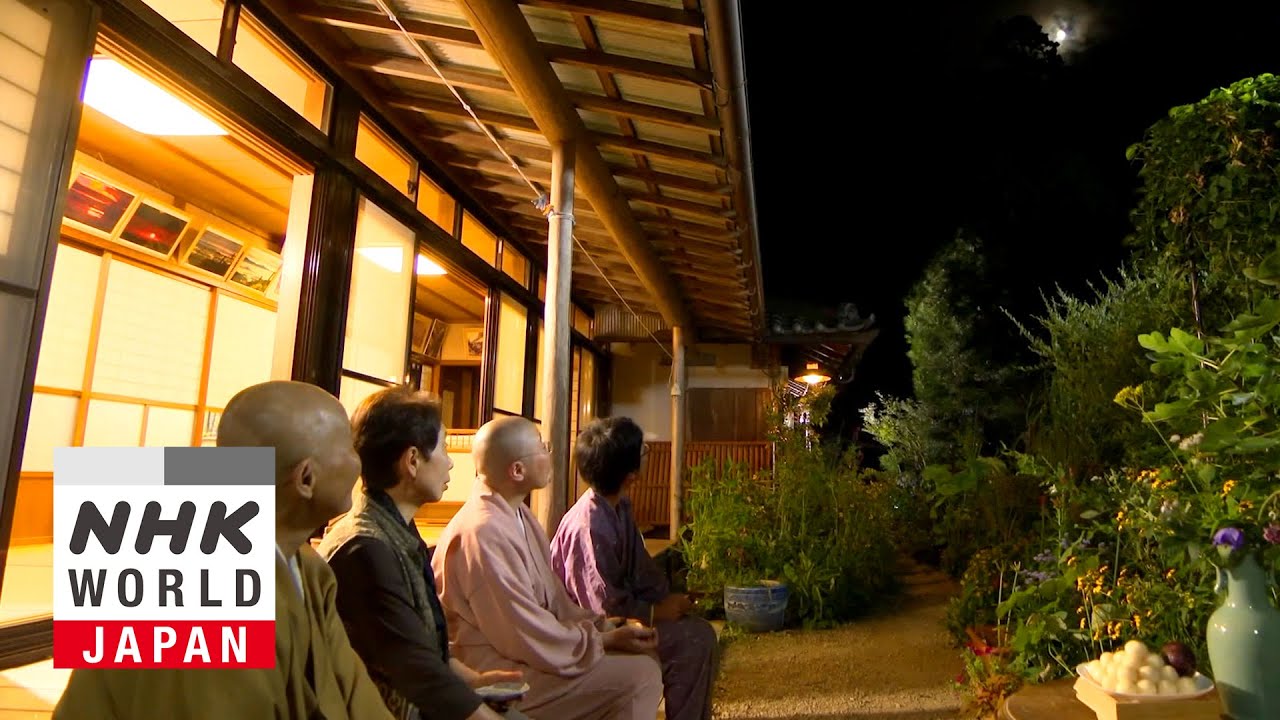
When my tech-focused world feels too frantic, watching these women preserve seasonal harvests is the ultimate grounding exercise. It demonstrates that revering nature and living humbly is a deeply rooted tradition that we can learn from, when trying to build more sustainable habits in our own lives.
Handing Down Tradition: The Antidote to Overtourism
Japan is currently wrestling with two opposing forces: crushing overtourism in cities like Kyoto, and the akiya (abandoned homes) crisis hollowing out rural towns. If you want to understand how communities are fighting back, Folk House Inn is vital viewing.
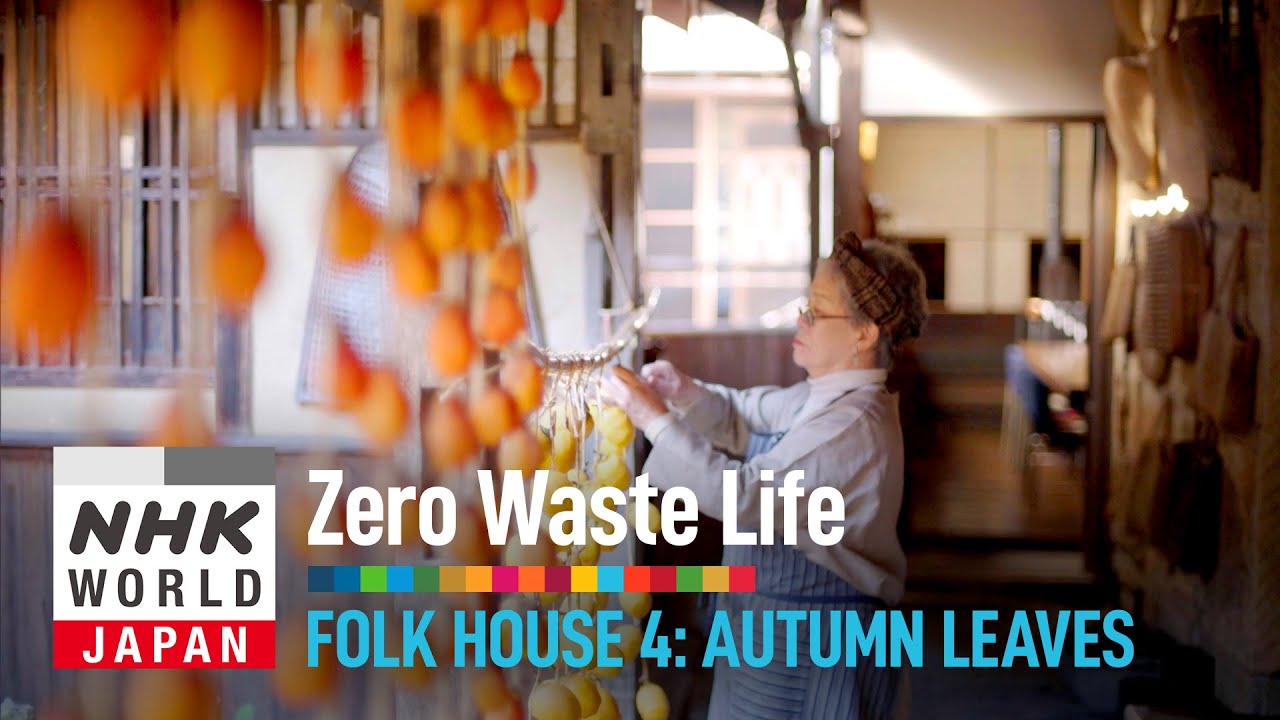
This beautiful show follows Matsuba Tomi, an innkeeper and designer in Omori, a tiny mountain town in Shimane Prefecture. Just like the Nuns’ show, this one also tracks Matsuba in a full year, preparing the inn for each guest to enjoy the niche of each season. By restoring an old folk house into an inn, she is actively revitalizing a dying rural community, attracting young talent, and passing down traditions. It’s a fascinating real-world look at sustainable ecotourism, a stark contrast to the overtourism currently straining Kyoto.
When I was building “Find My Ryokan” (a multimodal AI recommender system for Japanese inns), watching how Matsuba crafted the seasonal guest experience deeply influenced how I thought about hospitality data and user experience. Observing how others solve complex societal problems can directly inspire how we architect our own solutions, whether we are designing a digital platform, organizing a community event, or starting a small business.
This kind of grassroots revitalization isn’t limited to locals. Sometimes, the most passionate defenders of Japanese heritage come from outside the culture. In the documentary series Karl and Tina, we meet Karl Bengs, a German architectural designer who settled in the depopulated village of Taketokoro in Niigata Prefecture. Karl recognizes the lasting beauty in abandoned kominka (traditional Japanese farmhouses) that are otherwise destined for demolition. He meticulously restores them, preserving the 200-year-old wooden joinery while seamlessly integrating modern comforts like central floor heating and German double-pane windows.
But why should you care about a German architect in rural Niigata? Because Karl’s work is a masterclass in adaptive reuse and community building. In addition to saving old houses, he is breathing life back into an entire dying village. His restorations have begun attracting a new wave of residents, both Japanese and foreign, who crave a life closer to nature. If you are interested in sustainable architecture or looking for proof that you can forge a deeply meaningful life outside the traditional urban rat race, Karl and Tina’s journey is incredibly inspiring. It proves that honoring the past and designing for the future are not mutually exclusive.
I have deep admiration for Karl’s work and impact to the community. Every new episode is like a treat for me, a reminder that a deep love for your work at the right place acts like magnets, creating longlasting impact and attracting like-minded people to join you.
Cultural Interpreters & The Shokunin Spirit
Karl is just one example of a cultural interpreter who bridges the gap between Japan’s intricate traditions and the global stage. Another essential guide is British broadcaster Peter Barakan. Having lived in Japan since 1974, he hosts Japanology Plus, a show that dives deep into everything from everyday habits to the shokunin (master craftsman) mindset.
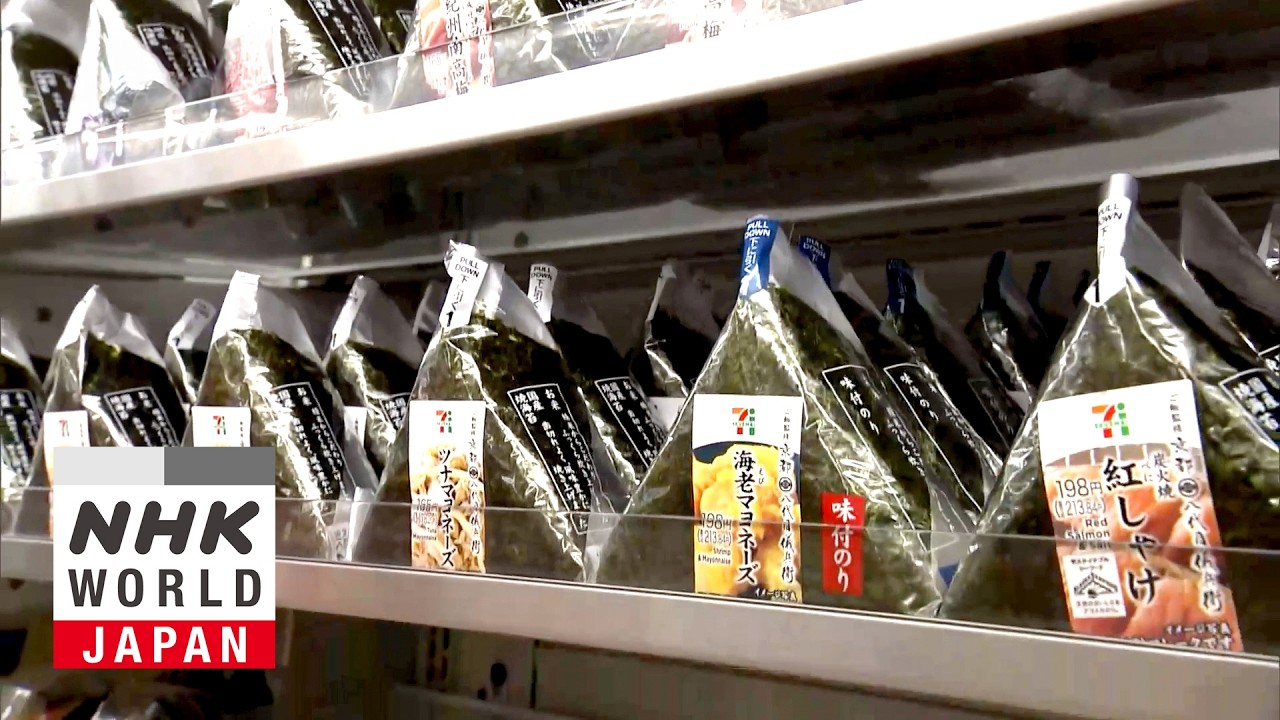
In each episode, Barakan sits down with professionals to understand their latest innnovations. Watching these interviews is a profound lesson in business and mastery. For those of us juggling fractured attention spans in the digital age, the shokunin philosophy is a powerful reminder of the value of deep work, patience, and user-centric thinking. There are always problems waiting to be solved, and Barakan’s interviewees often seem to find the most effective and efficient ways to solve those with determination.
Generational Life Philosophies: Ikigai and Mottainai
Where NHK World truly excels is in contrasting how different generations respond to economic uncertainty and aging.
In Western media, aging is often framed as an economic burden. But shows like Through the Kitchen Window and Hometown Stories reveal a far more inspiring perspective: work as ikigai (a reason for being). You meet elderly matriarchs managing grueling, multi-month farming cycles, and octogenarians operating 24-hour local diners to feed night workers. For them, their daily rhythms fuel mental clarity and longevity, and community service trumps retirement. Their pride, discipline, and independence offer a compelling counterweight to ageism, global corporate burnout culture and quiet quitting. They remind us that purpose comes from autonomy and staying useful to others regardless of age.
This is why I really love these programs. People like Karl Bengs, Masako Wakamiya, Matsuba Tomi and the numerous elderlies I “discovered” in NHK became my role models for aging with grace, purpose and impact. They are truly my North Stars!
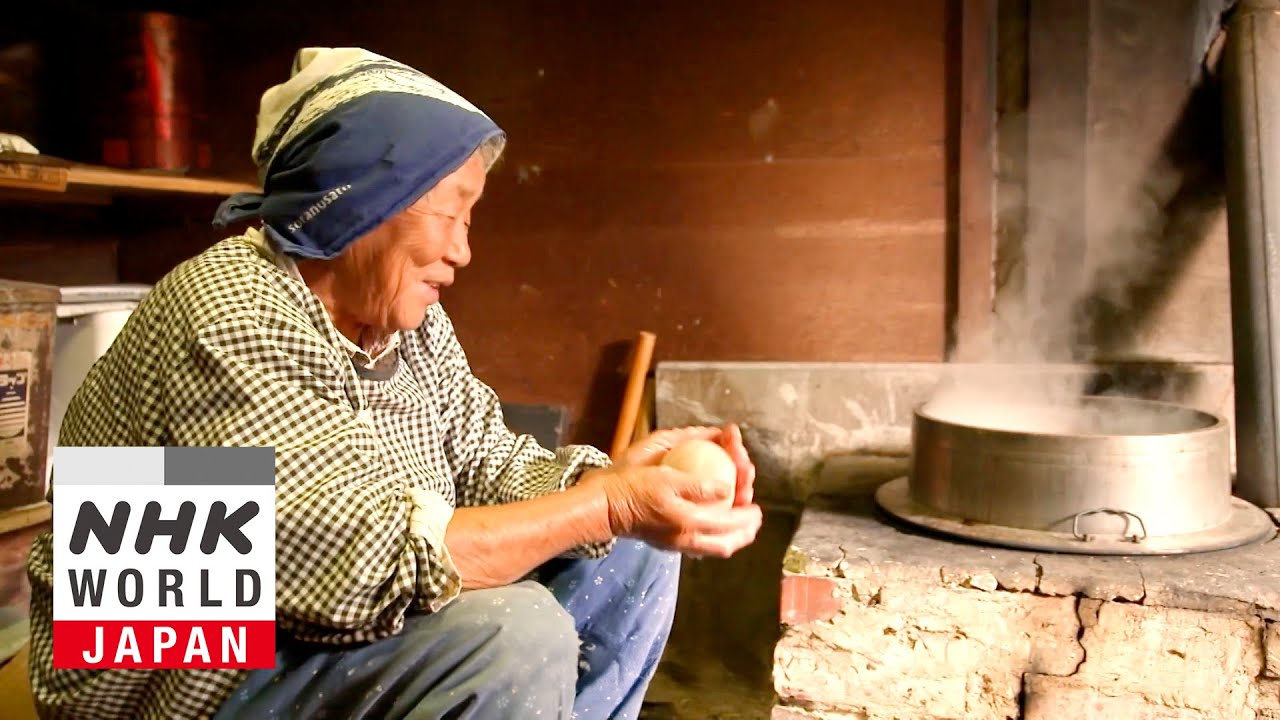
Conversely, Japan’s younger generation is reinventing careers through the ancient ethos of Mottainai (a sense of regret over waste). In Zero Waste Life, we see young mavericks building unconventional micro-businesses. Tired of the rigid corporate salaryman ladder and disillusioned by hyper-consumerism, some moved to rural islands or deserted houses to create creative, independent livelihoods centered on circular economics, design thinking, and environmental mindfulness. For example, some are heat-pressing abandoned plastic umbrellas into stylish waterproof bags, salvaging old-growth wood beams from demolished rural homes, and turning discarded construction debris into high-end modern jewelry.

If you ever feel stuck in a rigid career ladder, watching these independent livelihoods is incredibly motivating.
The Aesthetics of Everyday Life
Japanese design philosophy goes far beyond sterile minimalism; it is about solving everyday problems with grace, known as mingei (folk craft). Whether it is the ergonomic curve of a wooden rice scoop or the modular flexibility of tatami rooms, Japanese design bridges aesthetics with hyper-functional utility.
Programs like Design Museum Japan capture this perfectly in short, 5-minute episodes, analyzing the structural genius of everyday tools or the specific dyeing methods of regional textiles. DESIGN × STORIES dives deeper into how the legacy of diverse designs inspires modern creators.
I pay close attention to the visual language in these shows: the interplay of textures, and the clever repurpose of objects in vastly disparate domains. I share this because Japanese design principles are universally applicable. Whether you are arranging a physical storefront, laying out a digital publication, or configuring a personal knowledge database, understanding how to eliminate friction while retaining absolute beauty is a transformative skill.
Observing the Societal Pulse
If you enjoy armchair sociology and field research, NHK is unparalleled. To understand how people actually live, struggle, and adapt, I highly recommend Document 72 Hours. The premise is brilliant: set up a camera at a single location (a rural ferry terminal, a Kanazawa library, or a Nagano farmer’s market) for three days, and simply talk to whoever passes by. You meet citizens navigating the weak yen, dealing with grief, or celebrating quiet victories. It’s raw, unvarnished resilience.
I really love this series as it provides a lens into a slice of the society, you met face-to-face with people in different phases of their lives. As a traveler, I rarely get this level of raw vulnerability from locals.
To connect these everyday realities with macro-level forces, shows like Japan in Focus and Culture Crossroads dissect issues like the super-aging demographic, rural depopulation, and the integration of foreign workers. Because Japan is often a bellwether for global demographic shifts, studying how they tackle these challenges offers a glimpse into our own future.
Beyond the Golden Route: Deep Travel and Gastronomy
When most people visit Japan, they stick to the ‘Golden Route’: Tokyo, Kyoto, and Osaka. But limiting yourself to these cities is like visiting the US and only seeing New York and LA. For the avid traveler seeking authenticity, quiet nature trails, and deep cultural immersion, NHK is the ultimate itinerary builder. It bypasses tourist traps and highlights regional customs, hidden festivals, and local transport networks.
Rather than reading crowded “Top 10” lists, I map out my journeys using these explorations:
- Hit the Road: Discovering Michinoeki (highway rest stops), which are hyper-local markets selling regional crafts and farm-fresh produce.
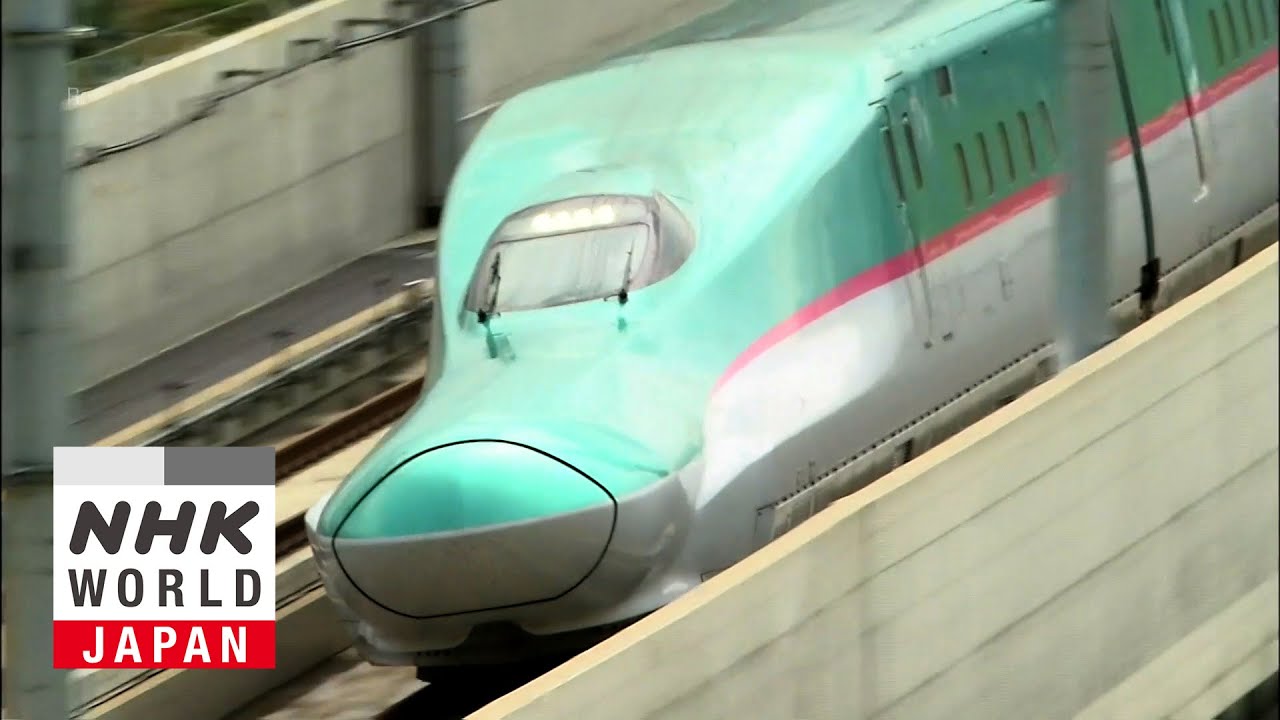
- Train Cruise: Railfans would rejoice in any trip to Japan due to its world-class train system. These series show you the sheer romance of Japanese rail travel and highly-curated local guides.
- Trails to Oishii Tokyo & Japan Delish: Understanding food as a geography and philosophy. Tracing the origins of the amazing ingredients at Tokyo’s markets, and looking at how Japan adopts and perfects foreign foods (yoshoku).
- Core Kyoto & Dive in Tokyo: When you are in the big cities, these shows help you look past the tourist traps to find the historic neighborhoods where tradition still thrives.
An Unending Discovery: Looking Ahead to My Next Adventure
After more than twenty years of wandering through Japan, my relationship with the country has profoundly evolved. In my early days, I was the classic eager tourist: temple hopping through Kyoto, attending my first Kabuki performances, and marveling at the traditional architecture of historic ryokans. But over the years, as I devoted more of my off-work time to studying this intricate culture, my focus shifted.
Today, armed with a foundational grip on the language and a deeper understanding of its literature, I seek out the nuanced and the overlooked. I now spend my time exploring revitalized towns, admiring architectural legacy left by both world-famous architects and unknown temple craftsmen, and studying the preservation of traditional aesthetics. I look for where 1,000-year-old temple joinery sits alongside cutting-edge upcycling, and where centuries-old shokunin philosophy adapts to the modern world.
For me, NHK World is a living classroom and a constant companion between my journeys. It keeps my curiosity sharp while I’m away, offering fresh lenses through which to view societal shifts and design evolutions. It explains many of the “whys” behind the “whats” I observed. As I continue to build AI recommendation models for Japanese travel, practice Japanese flashcards on Anki, and plan my next trips beyond the standard routes to seek out quiet mountain villages and local craft studios, these stories remind me why I keep returning.
Japan’s true magic lies in its infinite depth. There is always another hidden valley to discover, another local philosophy to absorb, and another seasonal micro-change to witness. The horizon of learning never narrows; it only expands.